
The World’s First Cultural Tourism AI Model Is Here — Huawei and SCG Turn Xi’an’s Ancient Heritage into Scalable AI-Powered Tourism Experiences
Huawei and Shaanxi Culture Industry Investment Group, or SCG, are expanding the real-world deployment of BoGuan, a multimodal AI model developed specifically for the cultural tourism industry.
The model is being applied across cultural heritage preservation, digital intellectual property development, travel planning, AI photography, and commercial short-video production, demonstrating how AI can create new visitor experiences while unlocking the economic value of cultural assets.
Huawei and SCG describe BoGuan as the world’s first commercial multimodal large language model dedicated to cultural tourism. Officially unveiled in September 2025, the model is now being deployed across tourism services and attractions in Xi’an.

More Than 1.2 PB of Cultural Data Helps AI Recreate History More Accurately
At the foundation of BoGuan is a cultural tourism dataset exceeding 1.2 petabytes, comprising 31 million images, 4.4 million minutes of video, 2.18 million minutes of audio, 510 three-dimensional models, and 960 million pieces of structured text.
The data is used to train the model to understand specialized cultural details, including historical artifacts, architecture, clothing from different dynasties, local traditions, and intangible cultural heritage.
This industry-specific knowledge helps reduce historical inaccuracies that can occur when general-purpose AI models generate cultural content. For example, BoGuan can distinguish between clothing styles from different historical periods and recreate cultural scenes with greater fidelity.
Jin Yan, Chairman of SCG’s Digital and Intelligent Culture Technology Group, said the model is built around two “highs” and one “low”: high-quality cultural data, high-fidelity content generation, and low barriers to adoption.
Businesses can access image generation, video creation, and AI agent tools through the platform without having to build their own models or algorithms.
From Traditional Craftsmanship to Digital Cultural IP
BoGuan is already being used to preserve and commercialize cultural heritage in several forms.
One example involves helping traditional dough sculpture artists design and simulate their creations before beginning physical production. According to dough sculpture artisan Zhang Beiyuan, work that previously required two or three months can now be completed in less than a week with support from the model.
The platform has also supported the creation of Tang Biaobiao, a digital character inspired by local cultural elements and the stone carvings of the Six Steeds of Zhao Mausoleum.
Digital collectibles and creative products related to the character have generated more than CNY2 million in sales.
SCG has also developed an AI-powered video production platform that brings together ideation, scene generation, images, audio, music, and editing within a single workflow.
Users can enter a simple sentence to generate advertisements, short dramas, or social media content, reducing the technical knowledge and production resources normally required.
Jin Yan said that, with the same team size, revenue from the company’s traditional marketing-related business increased by approximately 30% to 40% from the previous year to June 2026.
AI Travel Companion Made Available to More Than Four Million Users
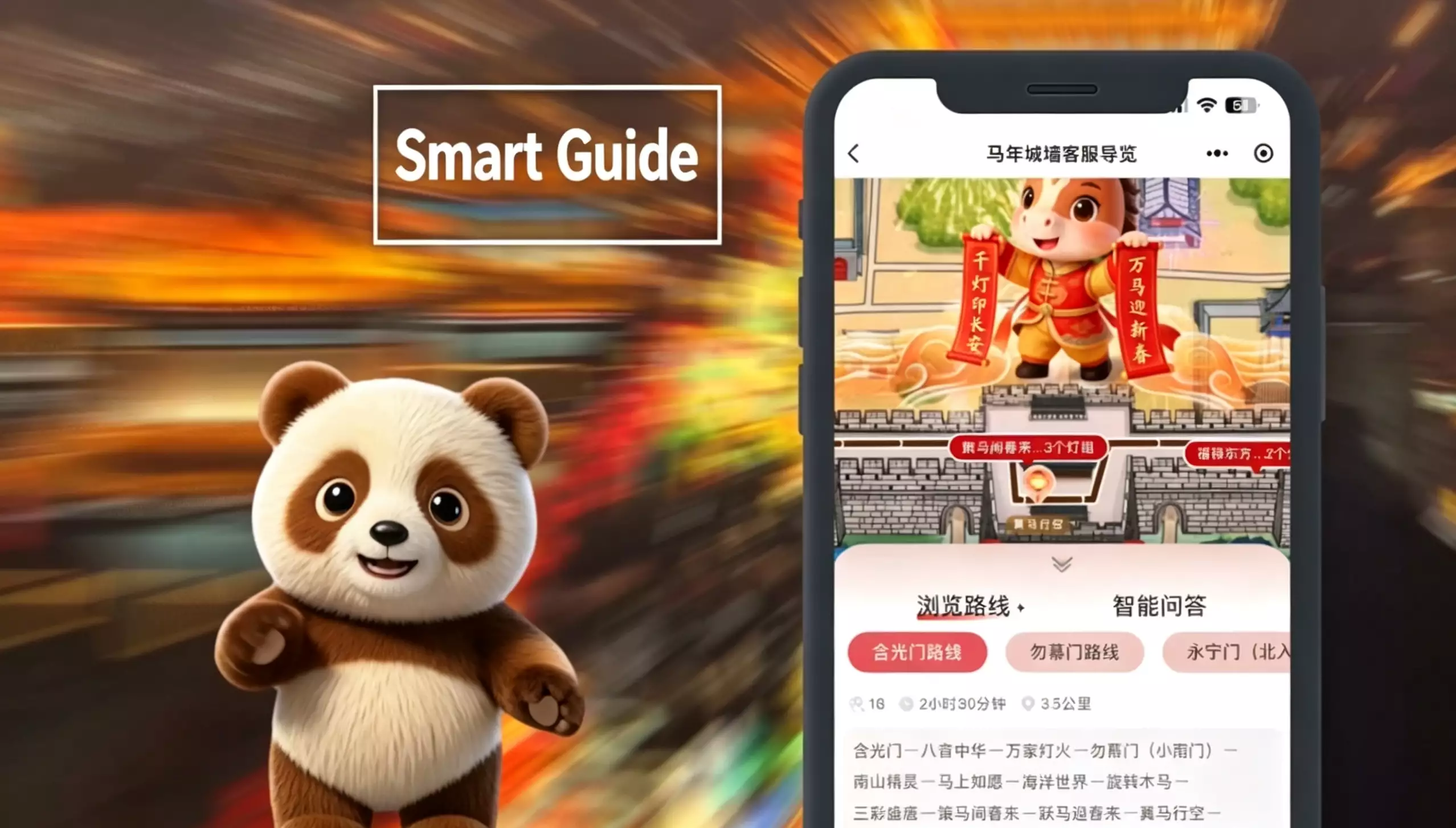
For travelers, BoGuan powers AI travel companion services available through public-facing platforms such as the GO-SHAANXI app and the Visit Shaanxi mini program.
Travelers can enter details such as the duration of their trip, the number of people traveling, their budget, and personal interests. The system then creates a customized itinerary and recommends attractions, hotels, restaurants, cultural performances, and nearby services.
It can also connect users with booking platforms, reducing the number of separate applications and steps required to plan a journey.
After testing began in October 2025, the AI travel companion had been made available to more than four million users by March 2026. The service has also been introduced at major locations including the Xi’an City Wall, Grand Tang Mall, and The Longest Day in Chang’an Theme Park.
At the theme park, visitors can also experience AI-powered smart glasses that display maps, provide location-based explanations, and support voice interaction.
After users take a photograph, the glasses can recognize the location and present relevant historical stories, creating a more interactive alternative to traditional audio guides.
Another BoGuan-powered application allows travelers to combine their photographs with AI-generated historical costumes and scenes. Visitors can virtually step into the Tang Dynasty and save or print the resulting images as souvenirs.
5G-A Network Supports 23,000 Simultaneous Users
Alongside its AI applications, China Telecom Shaanxi and Huawei have deployed a 5G-Advanced, or 5G-A, network at Grand Tang Mall using three-component carrier aggregation technology.
The network delivers peak upload speeds of 600 Mbps and peak download speeds of 3.5 Gbps, approximately 10 times faster than conventional 5G networks, according to Huawei.
During China’s 2026 May Day holiday, the network supported simultaneous access for approximately 23,000 users, allowing visitors to watch videos, livestream, and post content on social media more smoothly.
High-definition livestreaming supported by the 5G-A network has also become a way for the attraction to reach potential visitors online.
Public data cited by Huawei shows that the average viewing time for these livestreams nearly doubled, while the average transaction value increased by 62%.
Preparing to Expand the Model Beyond Xi’an
Huawei and SCG plan to replicate the approach in other cities and markets according to local demand.
Rather than applying the same system everywhere, the model, datasets, languages, and services would be adapted to local cultural contexts, regulations, user behaviors, and tourism scenarios.
SCG plans to launch inbound tourism-specific channels within 2026, followed by the official rollout of English-language services ahead of the 2027 Spring Festival.
The services are expected to be available through both online platforms and physical locations such as airports, transport hubs, and major attractions.
Edric Chu, General Manager of Huawei’s Shaanxi Representative Office, said AI has become an important enabler for activating thousands of years of cultural heritage, reshaping travel experiences, and generating new momentum for the industry.
Huawei said it will continue working with its partners to strengthen cultural heritage preservation through digital and intelligent technologies while supporting the growth of the cultural tourism economy.
ลงทะเบียนเข้าสู่ระบบ เพื่ออ่านบทความฟรีไม่จำกัด


Anthropic co-founder Jack Clark likens AI to Formula 1 at night without brakes and calls for shared safety standards, as leaders from the IMF, Bank of Canada, and DHL debate who sh...
 0
0
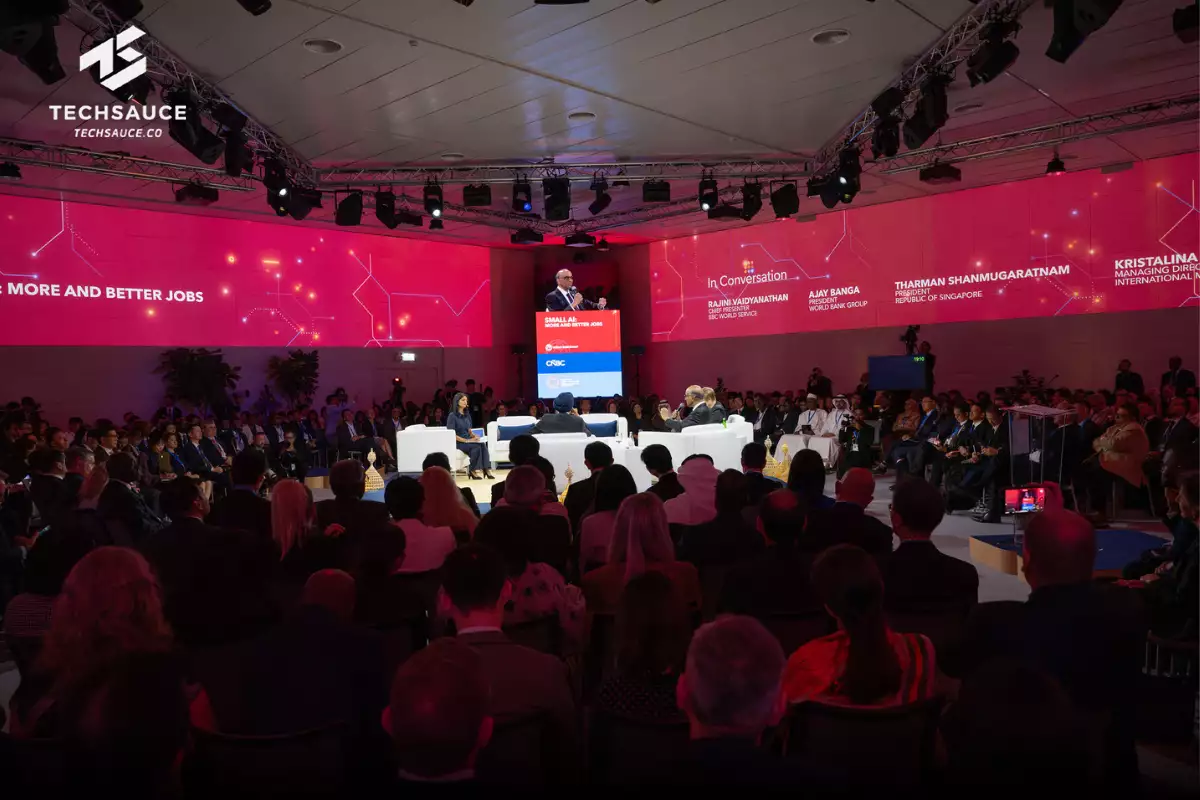
World Bank, IMF, and Singapore leaders explain how Small AI, simple tools that work even on a 3G phone, could help create jobs for 1.2 billion young people, and which sectors and p...
0
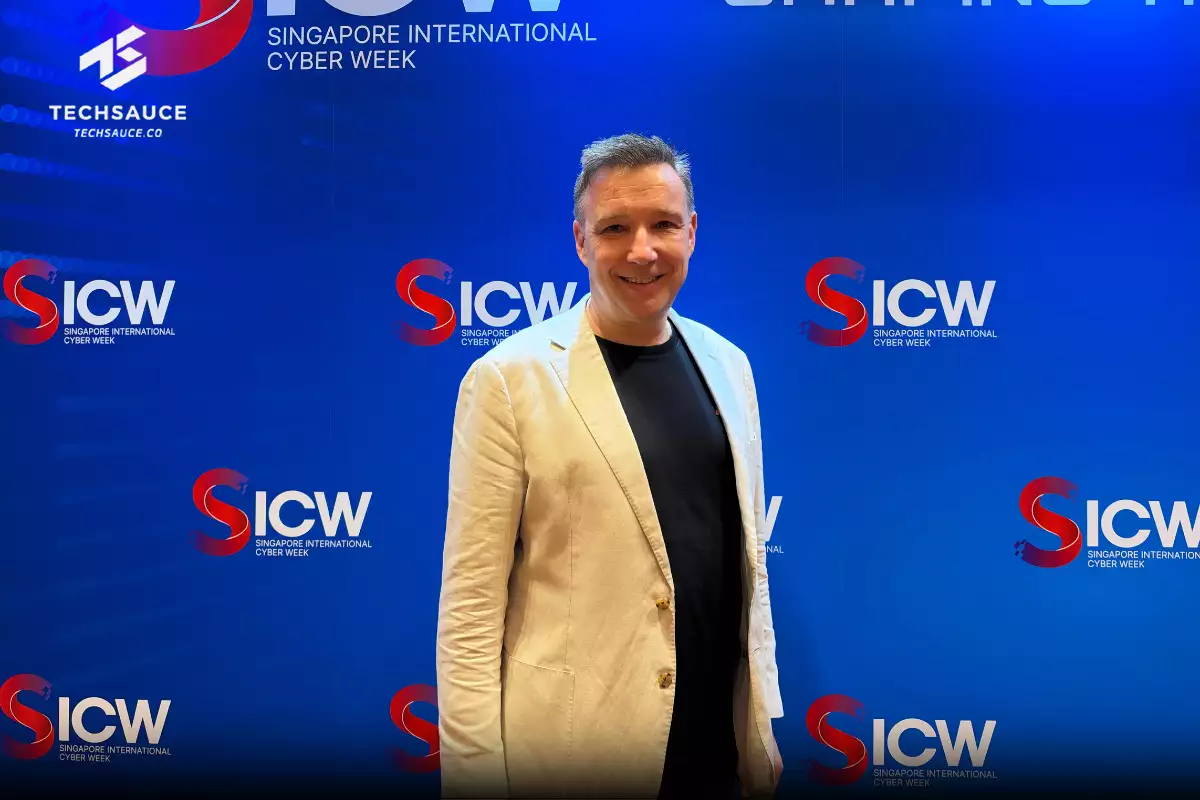
Cloudflare Field CISO Volker Rath says AI is weakening traditional defenses. Organizations need Zero Trust, security teams that act as engineers, policy written as code, and clear ...
0