Overreliance on AI May Weaken Thinking Skills: Key Points from an IMF Panel
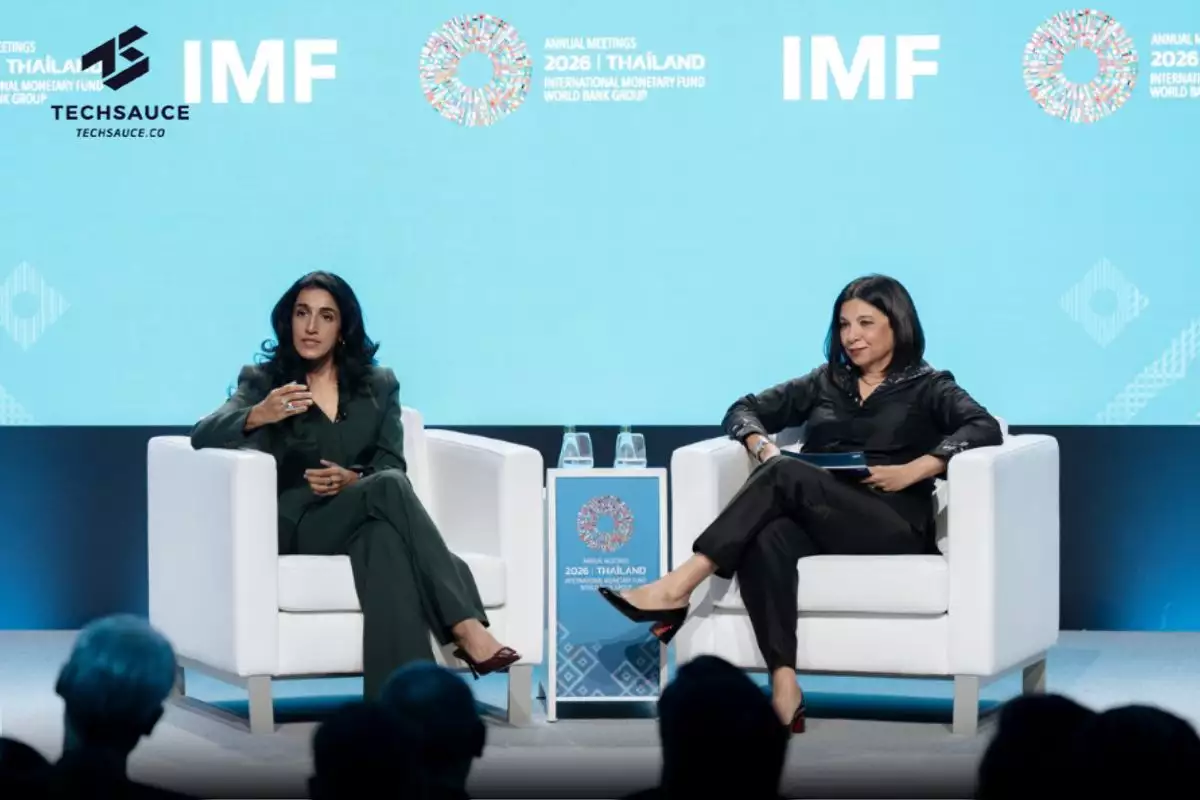
At an IMF Inspired panel titled “AI: Unlocking Our Human Potential,” Dr. Ayesha Khanna, Co-Founder and CEO of Addo, spoke about how AI affects jobs, the economy, and society. She said most people see AI in extremes. They move back and forth between fearing it will take their jobs and hoping it will fix every problem. She thinks the better question is how we want to live with AI while people still decide where it goes. Whether AI helps or causes harm depends on how people choose to use it.
1. Organizations need to prepare their people, not just hand out toolsLeaning on AI too much without understanding it can weaken employees’ thinking skills. So setting a direction for AI means more than writing rules about what it can and can’t do. Organizations also have to prepare employees and teach them how to work with it.
Many organizations assume that buying AI tools for staff is enough. It isn’t. To get good results without employee pushback, start by picking 3–5 core workflows where AI can make a clear difference. Then explain to employees which parts of their workload AI will take on and how their work will change with AI as an assistant. This communication matters. If the organization doesn’t spell it out, employees get confused, start guessing, and end up worrying that AI will replace them.
2. Countries see AI differentlyConcerns about AI vary by country. Developed countries and aging societies tend to worry that AI will take jobs and change the way of life they’re used to. Developing countries, including many in ASEAN, tend to be more excited and hopeful. They see AI as a way to improve people’s quality of life and reduce inequality.
3. Effects on work and how to adaptThe job market has changed a lot, but most leading companies don’t want to lay people off and replace them with AI. They want employees who are willing to learn and try AI. The people most at risk of losing their jobs are the ones who refuse to change and resist the technology. People who are open to it are the ones companies want. The key skill isn’t always being good with technology. It’s understanding your own work well enough to know where AI can help you do it better.
4. Men and women use AI differentlyUsage also differs by gender. Data shows women are more cautious. Many wait for company approval, or until they feel confident, before they use AI seriously. Men are quicker to try it. Women also put more weight on AI governance, accuracy, and ethics, and that perspective is valuable and needed. But if women don’t experiment and step up as builders or investors, they risk being overlooked and missing the chance to help shape strategy and investment at a larger scale.
5. Relying too much on AI can stop you thinking for yourselfThe biggest risk isn’t AI taking over the world. It’s people relying on AI so much that they lose their creativity and their ability to think critically. Students who let AI do all their homework start doing worse on exams because their brains aren’t getting practice. Letting automated systems run without limits is also dangerous. The answer is to match the technology to the task and not use AI for everything. For tasks that are high-risk or need human sensitivity, the traditional way of doing things is still the right one.
6. People must always set the limits for AIThe most important point is that people control AI, not the other way around. Living well with AI doesn’t mean everyone has to learn to code. It means having the right mindset and practicing critical thinking. It also means changing the education system and building an environment where every group of people has equal access to AI. Most of all, we need to hold on to our humanity, creativity, and good judgment so that AI actually helps improve society.
For Dr. Ayesha Khanna, AI can be an assistant, a thinking partner, or something that does the work for us, but people must always set the limits. So she thinks this shouldn’t be left to technologists alone. Philosophers, anthropologists, sociologists, and economists also need to help decide where AI goes.
ลงทะเบียนเข้าสู่ระบบ เพื่ออ่านบทความฟรีไม่จำกัด


Anthropic's Jack Clark Says the World Has Less Than a Decade to Prepare for AI
Anthropic co-founder Jack Clark told the Per Jacobsson Foundation Lecture in Bangkok that AI is speeding up science and the world has less than a decade to prepare. Techsauce summa...
 0

Small AI Can Create More and Better Jobs by Reaching Everyone
World Bank and IMF leaders discuss small AI that works on basic connectivity and can expand jobs and access to services....
0

At SICW 2026, Singapore announced a Cybersecurity Professional Accreditation Framework, with a pilot set for 2027. Speakers urged organizations to automate the task, not the learni...
0