
Leadership for the Future Securing Business Continuity Through Succession Planning
The contemporary business landscape is characterized by relentless transformation, driven by technological advancements and constant disruption. In this environment, effective leadership succession planning has become an indispensable element for organizational resilience and sustained success. Organizations must prioritize the cultivation of future-ready leaders to ensure seamless business continuity, maintain strategic momentum, and navigate the complexities of a rapidly evolving world.
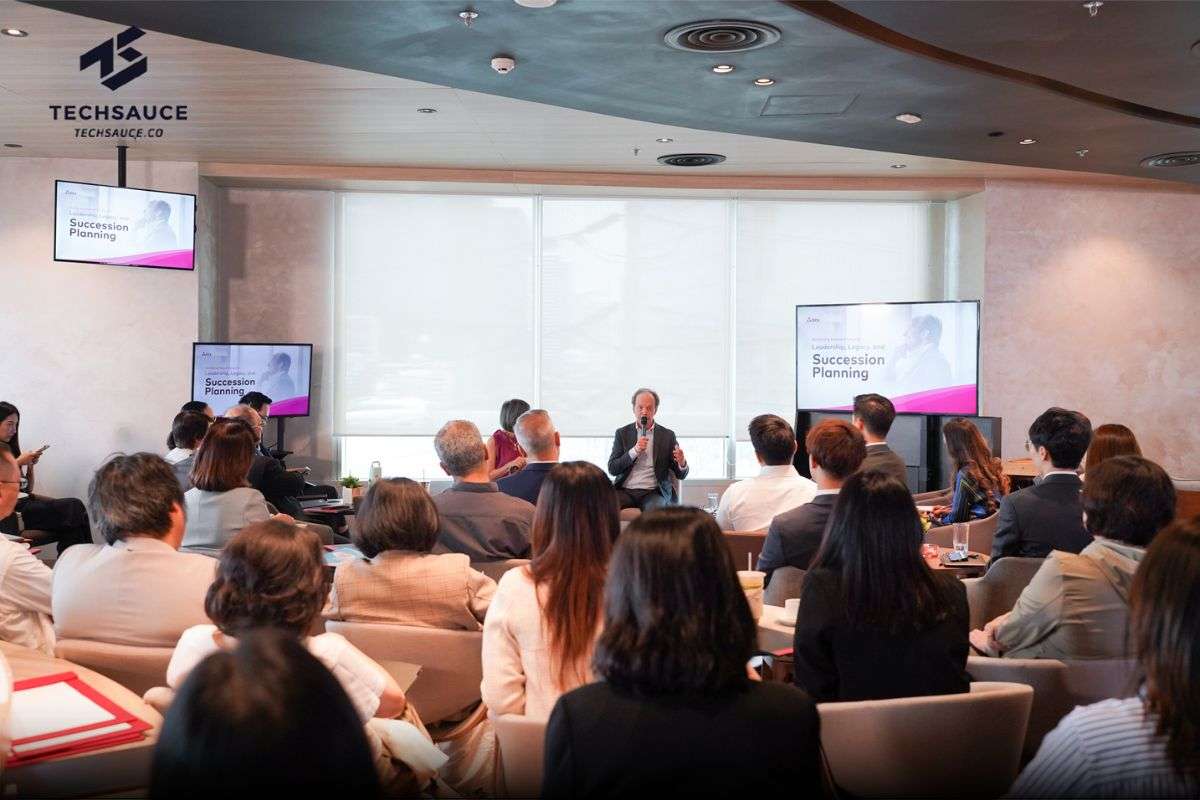
This pressing need for effective succession strategies was a key theme at a recent event in Bangkok, “Honoring Henrik Ekelund: Leadership, Legacy, and Succession Planning.” Organized by BTS Thailand, a global consultancy firm with expertise in leadership development, the event convened C-suite executives and senior leaders from diverse industries to discuss the future of business leadership.
At the event, Henrik Ekelund, Chairman and Founder of BTS Group, shared his insights on successful leadership transitions, emphasizing the critical role of proactive planning in ensuring business continuity. Discussions highlighted the urgency for structured succession strategies, especially as organizations grapple with increasing complexity and digital disruption.
The Imperative of Succession Planning
Despite the proven impact of succession planning on organizational performance, many companies still fail to prioritize it. Research consistently shows that organizations with structured leadership transition plans experience significantly higher growth rates compared to those without. However, a surprising number of businesses operate without clearly defined successors for key leadership positions, leaving them vulnerable to instability and potential talent gaps.
The absence of a well-defined succession plan can have detrimental consequences. It can destabilize businesses, erode stakeholder confidence, and negatively impact employee morale. Poorly executed leadership transitions can disrupt operations, hinder productivity, and even adversely affect stock prices. Forward-thinking organizations recognize that succession planning is not merely about replacing individuals; it is about fostering organizational resilience, adaptability, and a capacity for navigating change effectively.
Cultivating a Future-Ready Leadership Pipeline
The event highlighted best practices for organizations to future-proof their leadership teams, emphasizing a proactive and strategic approach to succession planning. Key takeaways include:
- Prioritize Internal Talent Development: Investing in developing leadership capabilities within the organization fosters smoother transitions, enhances employee engagement, and mitigates the risks associated with external recruitment.
- Redefine Leadership Criteria: The focus should shift from seeking idealized "superhero" leaders to identifying individuals with essential leadership traits, adaptability, and a capacity for learning and growth.
- Ensure Transparent and Inclusive Processes: Implementing data-driven decision-making and transparent processes minimizes bias and promotes the development of diverse leadership teams that reflect the evolving needs of the organization.
- Encourage Leadership Mobility: Providing high-potential employees with opportunities to gain cross-functional and cross-regional experience cultivates adaptability and a broader perspective, essential for effective leadership in a dynamic environment.
- Foster Mentorship and Coaching: Encouraging outgoing leaders to actively mentor and empower their successors facilitates a seamless and effective transfer of knowledge and leadership responsibilities.
What Sets Successful Companies Apart?
Leading organizations recognize that succession planning is not a one-time event but an ongoing process that is deeply integrated into their long-term vision and strategic objectives. They align leadership development with their overarching business strategy, cultivate a culture of continuous learning and adaptation, and utilize data-driven assessments to identify and nurture high-potential leaders.
Looking Ahead: The Future of Leadership Development
In conclusion, proactive, strategic, and structured leadership transitions are essential for navigating the complexities and uncertainties of the modern business world. By prioritizing succession planning and investing in leadership development, organizations can build resilience, embrace change, and position themselves for continued success in a dynamic and ever-evolving global landscape. Events like the one hosted by BTS Thailand serve as valuable platforms for fostering dialogue and sharing best practices in this critical area of organizational development.
ลงทะเบียนเข้าสู่ระบบ เพื่ออ่านบทความฟรีไม่จำกัด

Tanit Chearavanont at Forbes Global CEO Conference : Why Makro Had to Build Its Own Technology
At the Forbes Global CEO Conference 2026 in Singapore, Tanit Chearavanont, Group CEO of the Wholesale Business at CP AXTRA, shared how Makro transformed from a traditional cash-and...
 0
0

Arincare launches Arincare Telepharmacy, an FDA-compliant system enabling all Thai pharmacies to offer legal remote care, retain patient data, and charge zero GP fees....
0

Betagro Ventures Unveils New Kitchen Business, Empowering Food SMEs for Digital Growth
Betagro Ventures launches 'Dishdash', a Kitchen as a Service (KaaS) model in Yen-Akat designed to help food SMEs launch and scale delivery operations with low investment and minima...
0