Decoding Nagoya: From Automotive Capital to a “Global Sandbox” for Deep Tech and Innovation
"We no longer want to be known solely as Japan's number one industrial city. We are transforming Nagoya into an innovation hub connected to the world."
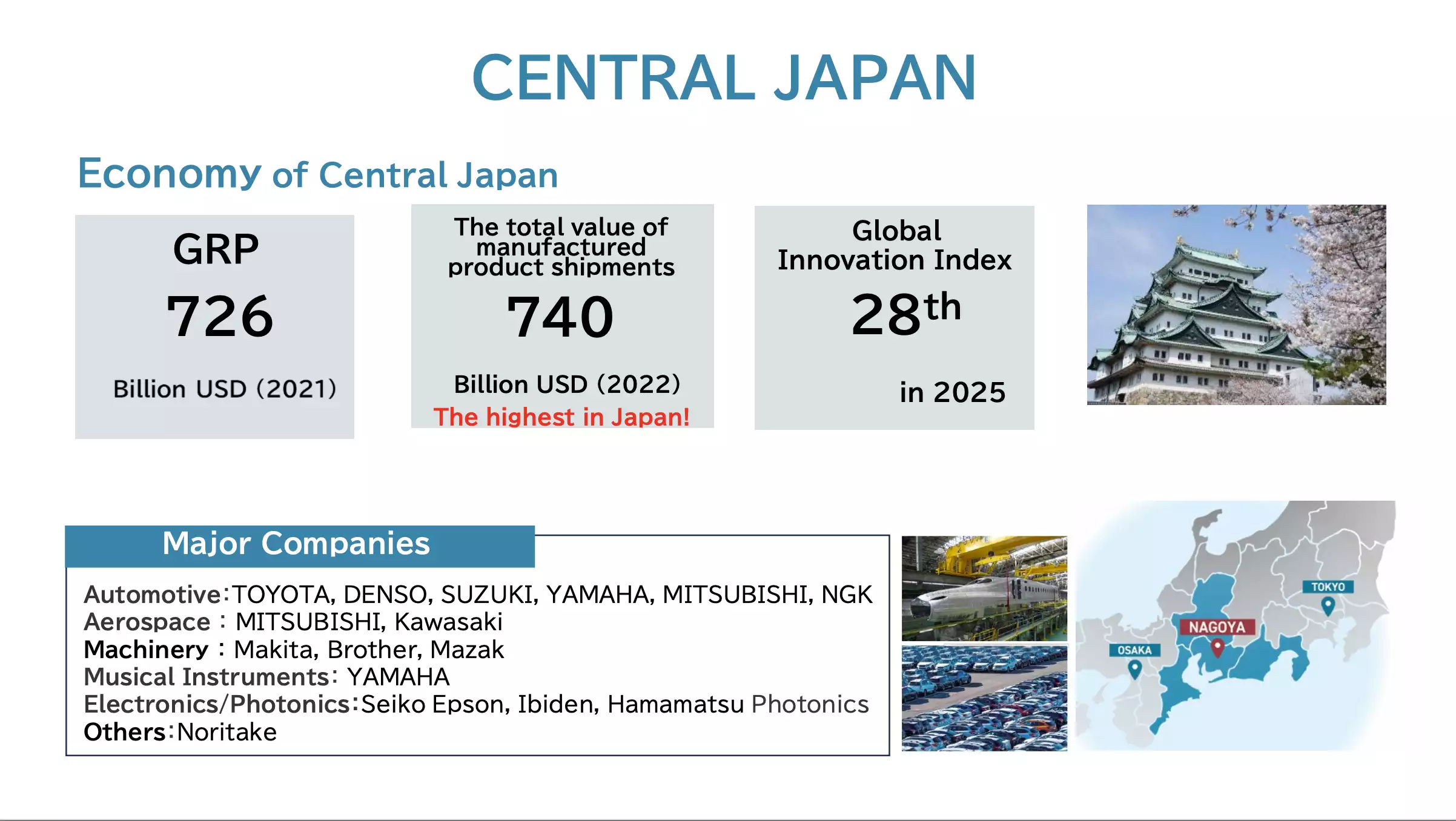
 This is the core message from Mr. Toshio Sumi, Director of the Startup Support Division at the City of Nagoya. He projects a grand strategy to transform “Central Japan”—a region boasting a GRP of over 700 billion USD and home to giants in automotive (Toyota, Denso) and aerospace (Mitsubishi)—into a space where Deep Tech fuses seamlessly with the spirit of Monozukuri (craftsmanship in manufacturing).
With an ecosystem now housing over 849 startups and fundraising hitting 178 million USD in 2024, Nagoya has laid down the following sophisticated infrastructure and support mechanism.
1. City as a Sandbox: Turning the City into an Innovation Playground
The heart of Nagoya’s strategy lies in projects like “NAGOYA CITY LAB” and “HATCH TECHNOLOGY NAGOYA.” These initiatives open up public spaces for startups to conduct “Social Demonstrations,” testing their innovations in real-world environments.
Mr. Sumi explains that Deep Tech startups often struggle to find spaces to test their technology. In Nagoya, the local government acts as a Coordinator to unlock these regulatory constraints. Real-world examples include:
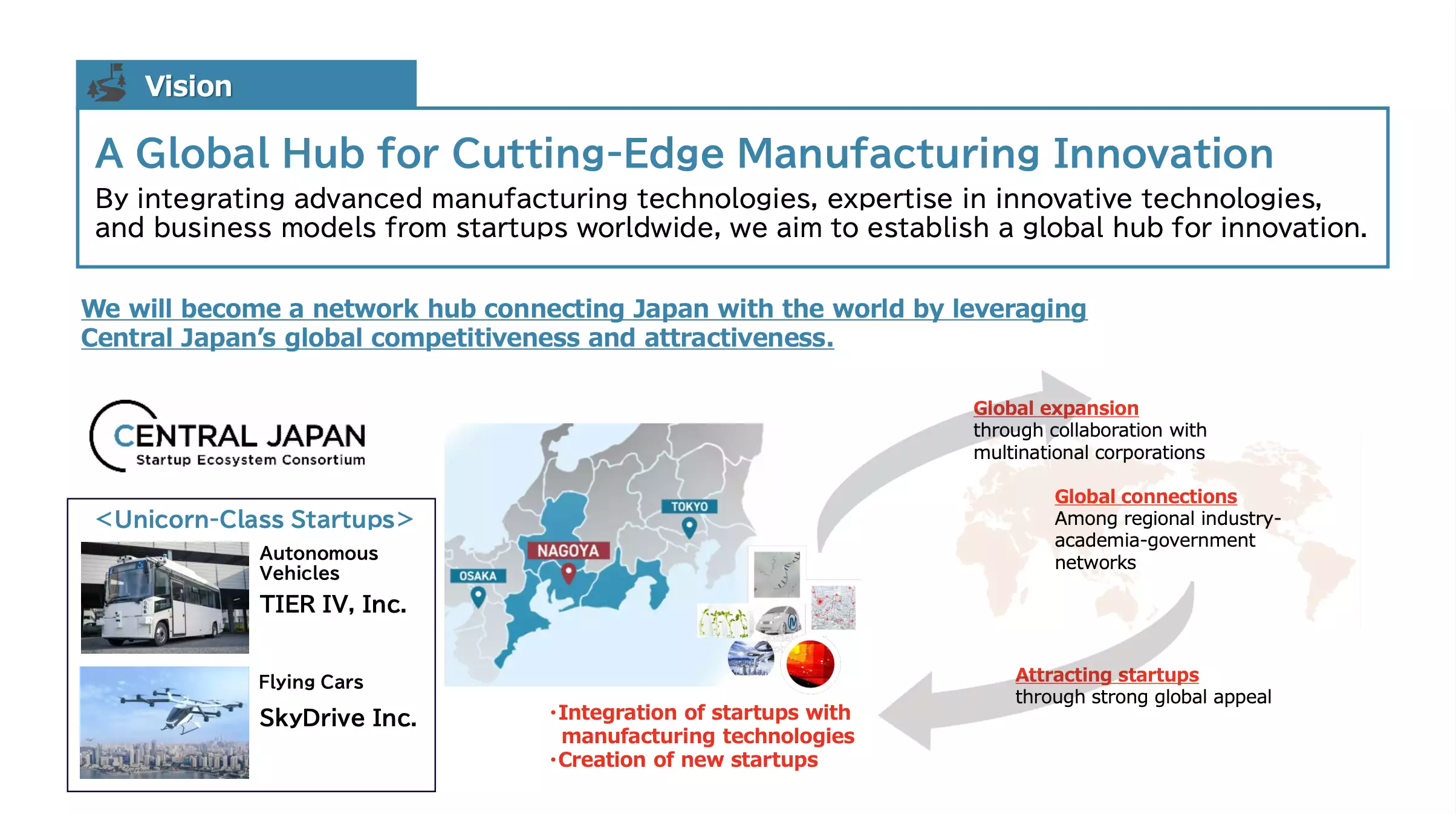
- Autonomous Vehicles: Supporting TIER IV (a unicorn startup in open-source autonomous driving) to test driverless systems on public roads, a crucial step for AI development.
- Smart City Management: Testing trash-collecting water robots in city canals and using AI to monitor passenger and object behavior on station escalators for safety.
- Social Testing Grounds: Allowing the use of private and government premises to test new solutions, solving urban issues in collaboration with the private sector and citizens.
2. World-Class Infrastructure: Tangible Hubs
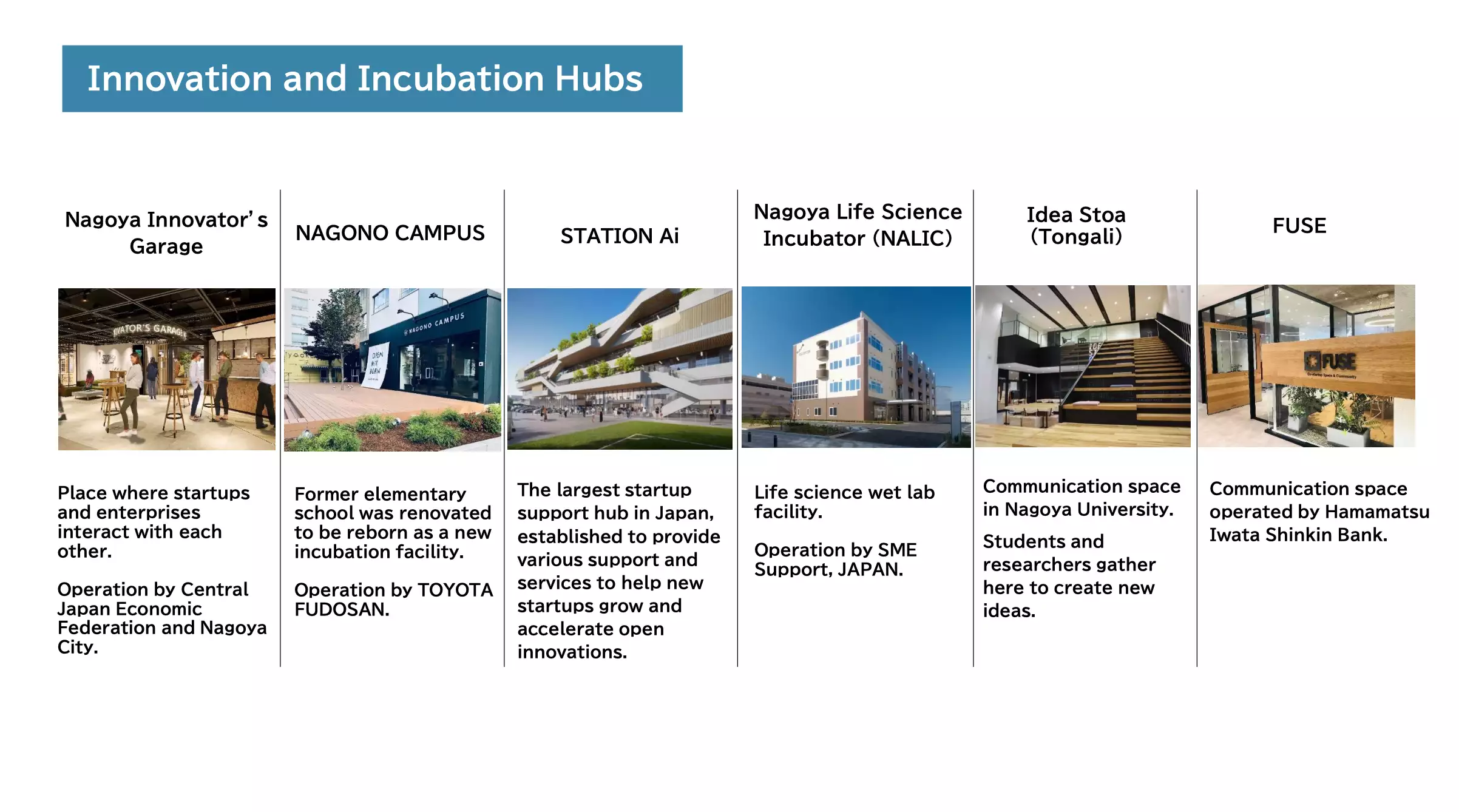
Nagoya isn't just about policy; they are investing in “Physical Hubs” to attract global startups:
- STATION Ai (Launched Oct 2024): The region's flagship facility and the largest startup support center in Japan. Developed and managed in partnership with SoftBank, it aims to house over 600 startups and is backed by leading corporations like Toyota and MUFG.
- NAGONO CAMPUS: A charming heritage project that renovated the 100-year-old “Nagono Elementary School” under the concept “Open, Mix, Born.” It serves as an incubation facility that blends historical atmosphere with modern innovation.
- Nagoya Innovator’s Garage: A co-creation space in the city center managed jointly by the City of Nagoya and the Central Japan Economic Federation, designed for visionaries to meet and build cross-organizational projects.
3. Financial Powerhouse: Local Government as a Limited Partner
A key differentiator emphasized by Mr. Sumi is the financial role of the City of Nagoya and Aichi Prefecture. They have moved beyond simple Grants and entered the investment arena as Limited Partners (LPs).
- Central Japan Innovation Research Fund I: Targeting a total fund size of 33 million USD, the City and Prefecture each contributed an initial 500 million JPY. This serves to build confidence and attract further investment from financial institutions and private companies.
- Attracting Corporate Venture Capitals (CVCs): Leveraging the region's concentration of cash-rich manufacturing giants, the government established the Chubu CVC Network. It encourages these corporations to set up CVC funds to invest in startups, currently boasting over 242 member companies.
- The Goal: To fill the funding gap at the Seed and Early stages for Deep Tech startups that require high research capital.
4. Talent & Open Innovation: Building People and Business Matching
To ensure a sustainable ecosystem, Nagoya prioritizes “People” and “Collaboration”:
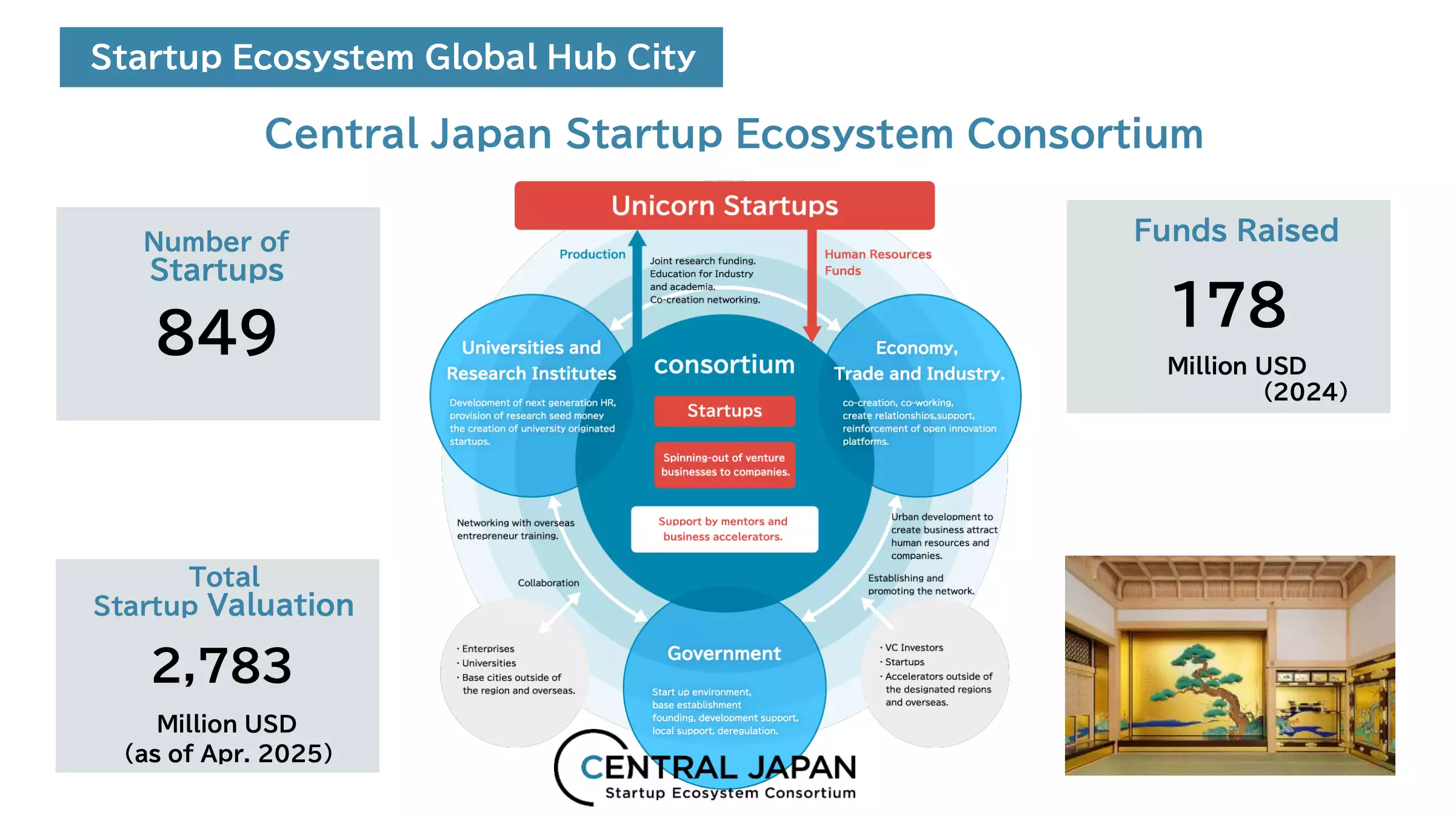
- Tongali Platform: Japan’s largest entrepreneurship education platform, a collaboration of 27 universities (led by Nagoya University). It grooms students and researchers—from school age to professionals—to launch University-led startups based on their research.
- CIRCLE (Nagoya Open Innovation): A matchmaking project between startups and traditional companies. It has successfully matched 206 pairs, resulting in 89 actual collaborative projects (e.g., agricultural partnerships utilizing high-performance soil).
5. TechGALA Japan 2026: A New Landmark for Global Connection
The recently concluded TechGALA Japan 2026, held from January 27 to 29, 2026, marked a significant milestone for the region.
- TechGALA Japan 2026 positioned itself as a “Festival” rather than a mere seminar, it seeks to bridge the gaps between diverse regions, cultures, and sectors.
- The event welcomed 5,000 attendees, along with 300 speakers and 140 exhibitors from 20 countries worldwide.
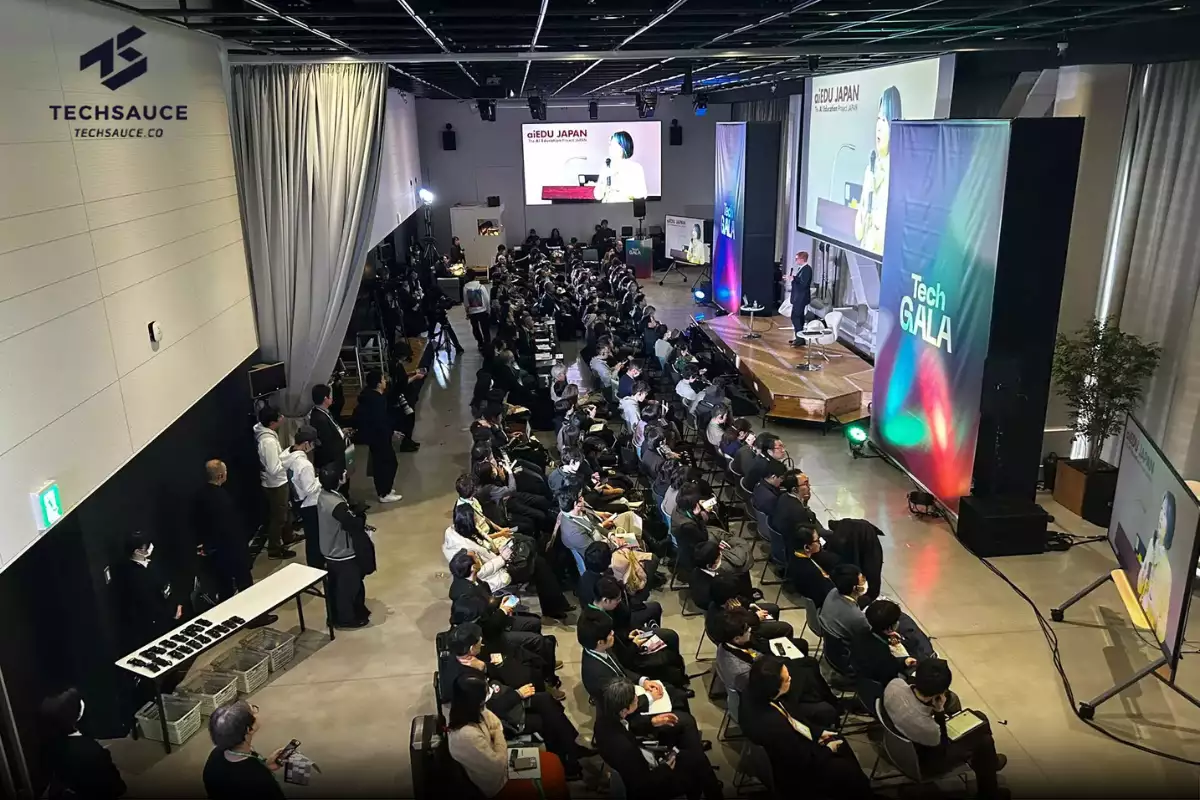
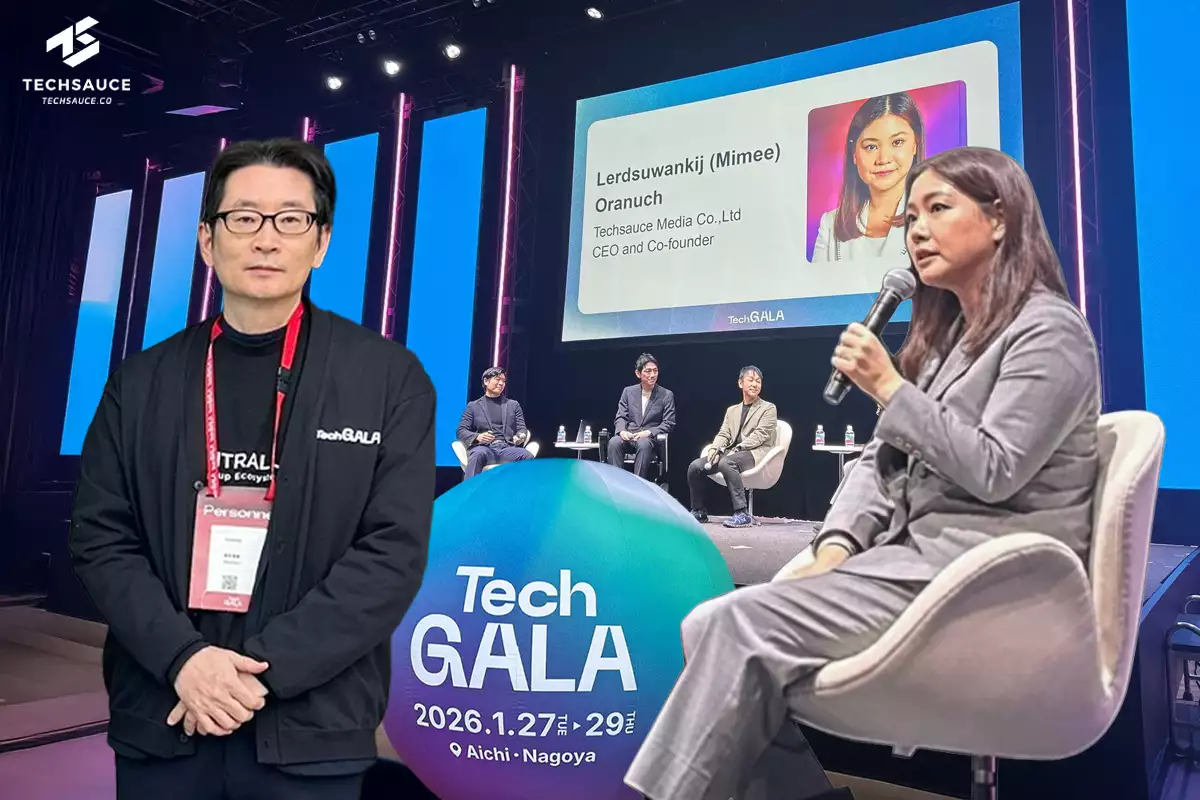
A snapshot from TechGALA Japan 2026
During the event, Techsauce had the opportunity to exchange views on Mobility Trends in Southeast Asia and connections with Japan. The discussion highlighted how Thailand could apply Autonomous Driving technology, specifically in closed Environments like industrial estates or airports. The key takeaway was the need to focus on the “Business Case” (cost-effectiveness and sustainability) rather than just the “Demo Case.”
Nagoya is actively transcending its traditional image as a factory town to become a technology metropolis. By fusing its existing strengths (manufacturing base and capital) with new engines (Startups and Deep Tech) and fueled by serious government support—from opening the city for testing to direct co-investment—Nagoya is on track to become a Hub for Cutting-Edge Manufacturing Innovation in the near future.
ลงทะเบียนเข้าสู่ระบบ เพื่ออ่านบทความฟรีไม่จำกัด

The Age of Symbiosis: How Amity, KBTG, and Eureka Global Are Redefining Corporate AI Innovation
At Techsauce 2025, leaders from Amity, KBTG, and Eureka Global discuss the shift to Agentic AI. Explore how they tackle the context paradox and secure ROI, redefining corporate AI ...
 0
0
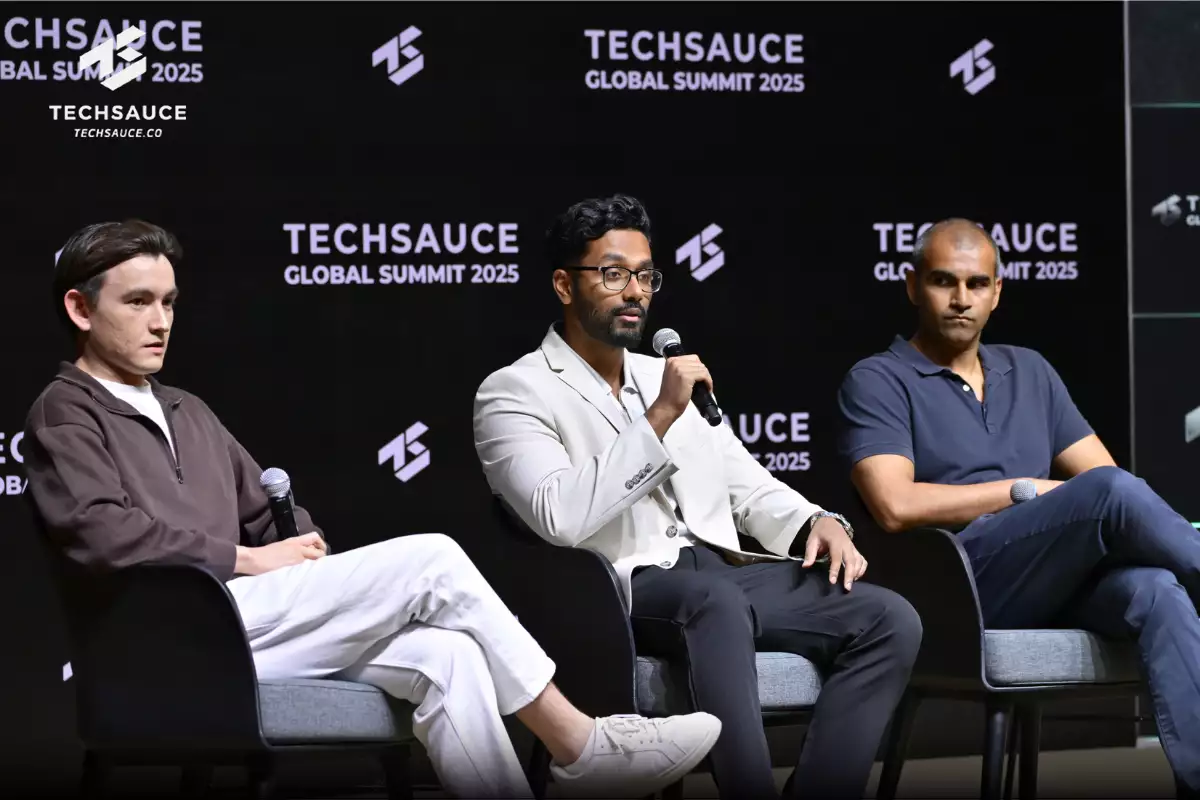
The ASEAN Expansion 'Disaster': VCs Decode the Downturn Playbook for Resilient Startups
How can startups survive the downturn? VCs get candid, revealing why the default SEA expansion strategy is a 'disaster' and why just 'surviving' is a trap....
0

Growth Forum 2025: Integrating Growth Strategy, Psychology, and Mindfulness for the AI Era
Highlights from Growth Forum 2025. Learn new growth strategies, consumer psychology insights from Gary van Broekhoven, and mindfulness techniques for the AI era....
0