
The 10 Iron Rules of Transformation: A Guide to Building a Resilient and Sustainably Growing Organization from Krating Poonpol
In a world of constant disruption, organizational transformation becomes the imperative core strategy for building a resilient organization. But how do you lead this fundamental shift effectively? On stage at the Techsauce Global Summit 2025, Krating Poonpol of Disrupt Technology Venture answered this question with his 10 "Iron Rules"—a powerful guide to business transformation and sustainable growth. This is more than theory; it's an actionable roadmap for modern leadership and effective change management. This article breaks down every rule from his session, giving you the insights to steer your company through the waves of change and emerge stronger.

The Critical Foundation: The 3 Phases of Transformation
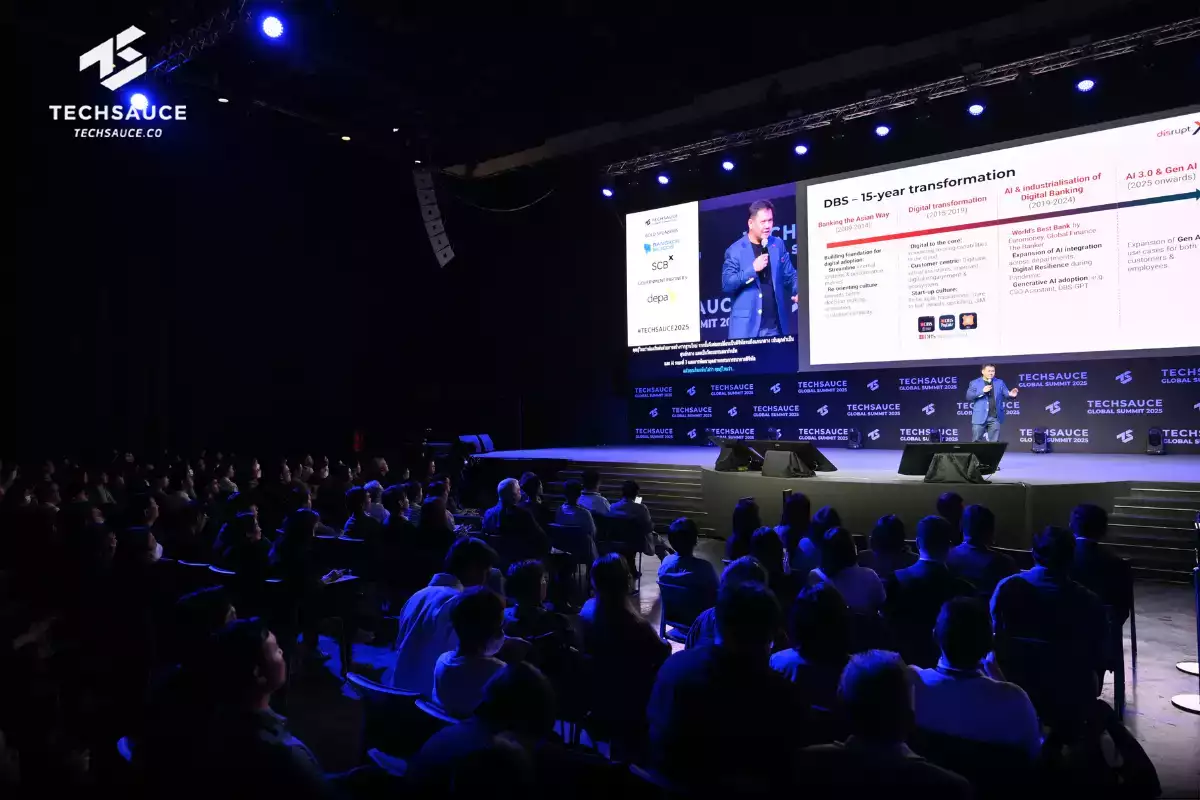
Before diving into the 10 rules, Krating established a fundamental principle: successful transformation is not about doing everything at once. It is a sequential journey, typically comprising three key phases:
- Strengthen Foundation: This is the most crucial starting point—returning to the basics to ensure the organization is stable and strong.
- Manage for Value: Once the foundation is secure, the next step is to manage for the creation of tangible value and profit.
- Manage for Future: The final phase is to look ahead and manage for future growth
Case Study: LEGO - From Crisis to Legend
LEGO is the quintessential example of a company that followed these three phases. From the brink of bankruptcy, they spent 13 years transforming themselves.
- Phase 1 (2004-2005): Strengthen Foundation. Facing a severe crisis, the first thing LEGO did was “stop the bleeding” by focusing on cash flow management to regain financial stability.
- Phase 2 (2006-2008): Manage for Value. As the company stabilized, they entered a period of value and profit seeking. This was accompanied by a bold strategy for the time: “Let's not grow while we're fixing our productivity.” It was a difficult but necessary decision.
- Phase 3 (2009 onwards): Manage for Future. With a strong internal structure, they began to manage for growth and asked the critical question, “What's next?”
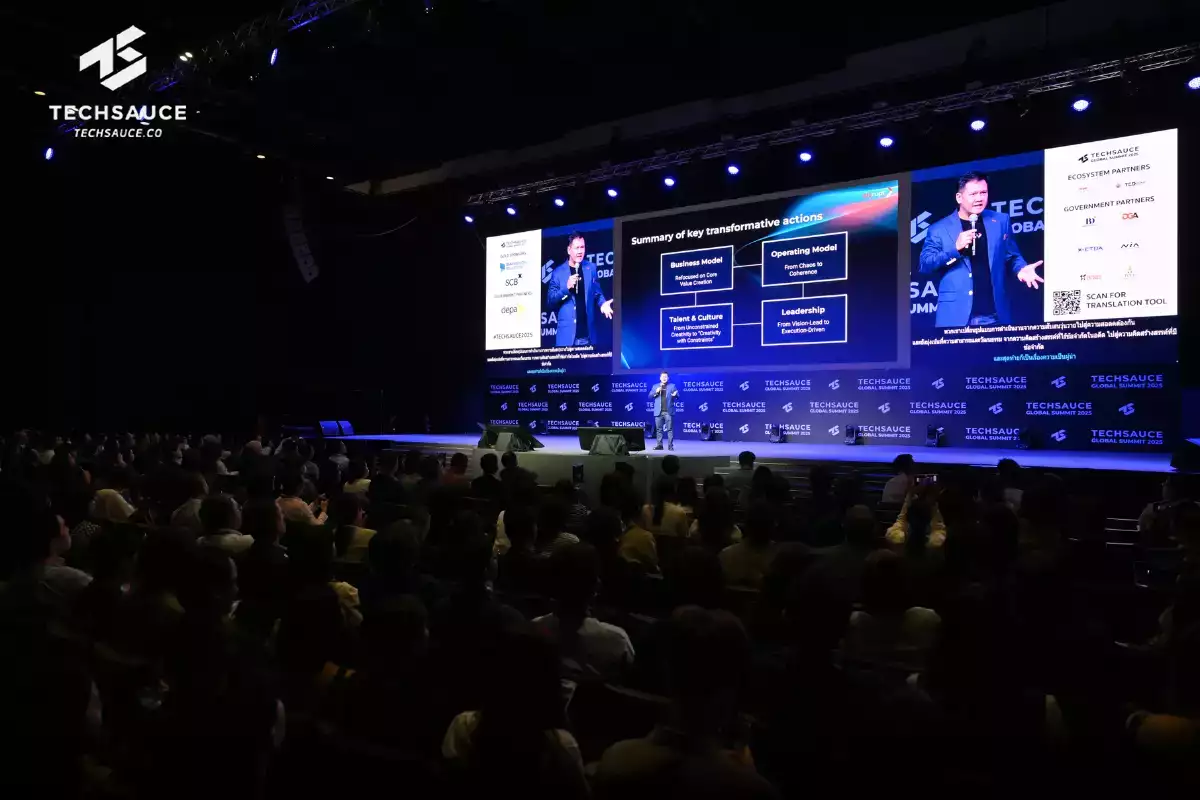
LEGO's transformation was not merely a shift in business plans; it was a change across four key dimensions:
- Business Model: Refocused on Core Value Creation.
- Operating Model: Moved from Chaos to Coherence.
- Talent & Culture: Shifted from Unconstrained Creativity to “Creativity with Constraints,” which sparked practical innovation.
- Leadership: Evolved from being Vision-Led to Execution-Driven.
The 10 Iron Rules for a Successful Transformation
Rule 1: Start with the End as Your North Star
Transformation begins with a clear and bold vision. A leader's job isn't just to dream, but to be able to “Speak It Into Reality,” communicating the vision as if it has already happened. This builds the confidence and inspiration for others to follow. The vision must be translated into consistent actions, including investing in people, providing strategic clarity, and fostering collaboration across the team.
Rule 2: Transformation Starts With Leaders
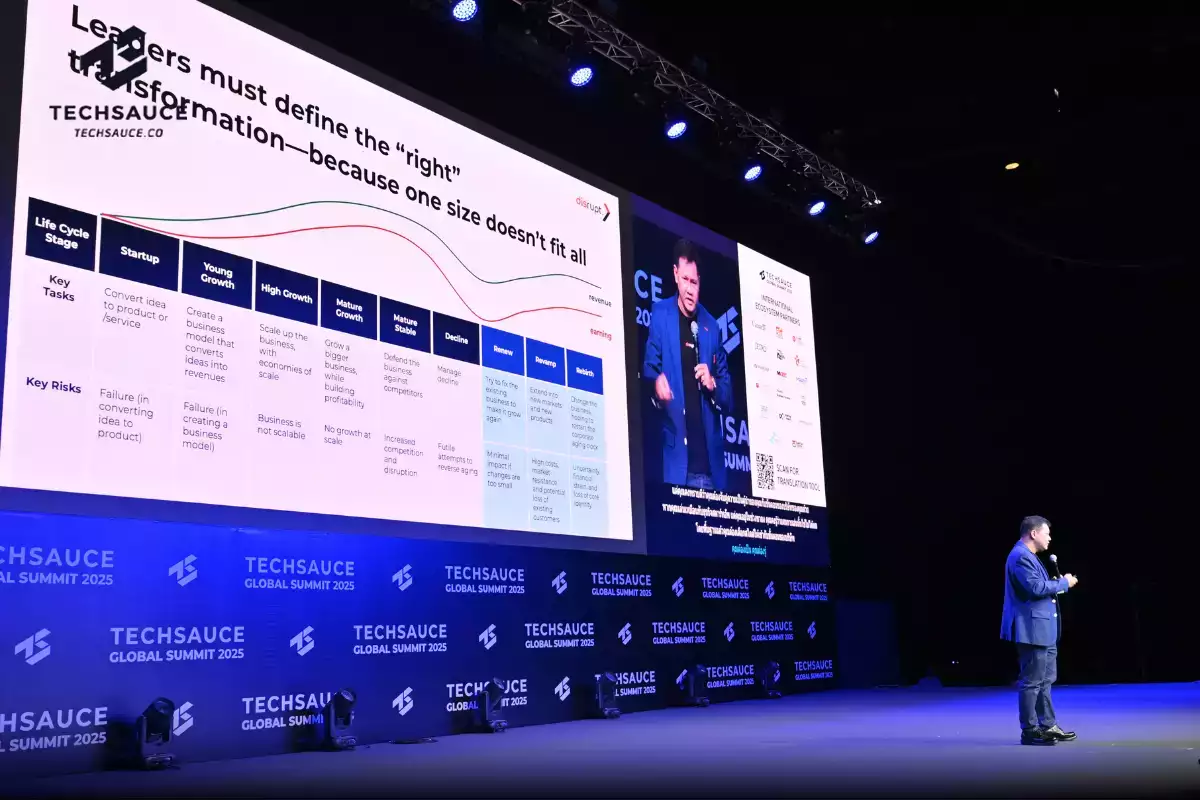
Krating emphasized, “The leader is you!” Change will never happen if the leader doesn't take the first step. Your Mindset, Behaviors, and Actions will determine the direction of the entire organization. Crucially, leaders must understand the “Corporate Life Cycle” to choose the right strategy. A startup requires a different approach than a company in a Mature, Stable, or Decline phase. Applying the wrong strategy at the wrong time can lead to failure.
Rule 3: Lead With Empathy, Make the Change Personal & Purposeful
The more difficult the change, the more essential empathy becomes. Krating pointed out that empathy is “understanding others’ feelings, even what they don't say out loud.” Empathic leadership requires the ability to:
- Practice Active Listening
- Put Yourself in Their Shoes
- Build Trust
- Validate Others' Feelings
- Be Genuine, you must become “the kind of leader you would want to work for.”
Rule 4: Put People First and at the Center of Every Transformation
“People” are the heart of change, encompassing customers, employees, and stakeholders. Every action must be aimed at creating value for these individuals.
Rule 5: Good Transformations are Holistic by Nature
Effective change must be top-down and comprehensive. You cannot change just one part; you must design "the Whole System" to work in harmony. This includes:
- How value is created, delivered, and captured.
- How people, processes, and platforms work together.
- Team structures and decision-making methods.
- How performance is measured, controlled, and improved. The ultimate goal is to create a “System of Advantage” that competitors cannot replicate because it is a seamless integration of a thousand different elements.
Rule 6: Architect the Future from the Ground Up
Building sustainable change is like constructing a building; it requires all four levels, from the bottom up:
- Engineering: The technical foundation that drives the change.
- Architecture: The technical and organizational systems that enable the change.
- Strategy: The operational plan that governs and coordinates the change.
- Vision: The goal and concept that inspire and direct the change.
Rule 7: Invest in Capabilities Beyond Technology
Data from BCG, presented as an iceberg, reveals a startling truth:
- Most companies focus their efforts on Technology (60%) and Data & Algorithms (30%).
- However, the Operating Model—which most companies devote less than 10% of their effort to—is what actually generates 70% of the value.
This proves that technology alone cannot deliver value; it is the people and the system that make it happen. Unlocking the value of an AI Transformation requires all components: Data, Models, Governance, Processes, a Human in the Loop, and Leadership.
Rule 8: Elevate People, Don't Just Reorganize Them
The future of the labor market will be "K-Shaped," signifying a clear divergence between:
- The Upward Trajectory: Those who know and use AI will be 13 times more prepared for change, build trust 9 times more effectively, and have 5 times better logical reasoning.
- The Downward Trajectory: Those who refuse to learn and use AI.
A leader's duty, therefore, is not to replace people but to "elevate" them to keep pace with change.
Rule 9: Transformation is a Never-Ending Journey and Must Be in Your DNA
Change is a long and arduous journey. Everyone in the organization will experience the “Kübler-Ross Change Curve” from Shock, Denial, and Frustration to eventual acceptance and genuine change. It is often a lonely journey for a CEO. Therefore, true transformation only occurs when it becomes embedded in the organization's DNA.
Rule 10: Always Stay One Step Ahead
Krating concluded with his most powerful concept:
“There is no such thing as Best Practice.” There is only “Better Practice”, the act of improving every single day. The end of one transformation is always the beginning of another. Organizations undergoing AI transformation today must realize that this is just one domino. Many more waves of change are yet to come.
Krating left all leaders with an energizing final message: “The next 10 years will bring the greatest transformation to the world of work in a century.” And always remember:
“What Got You Here, Won't Get You There.”
The future is not something we walk into; it is something we create. The power to build a better future lies in the present. This journey is your opportunity to take action now, to build a better present for the sustainable future of your organization and yourself.
ลงทะเบียนเข้าสู่ระบบ เพื่ออ่านบทความฟรีไม่จำกัด


Decoding Nagoya: From Automotive Capital to a “Global Sandbox” for Deep Tech and Innovation
We no longer want to be known solely as Japan's number one industrial city." Nagoya is transforming into a global innovation hub. Discover how Central Japan is fusing Deep Tech wit...
 0
0

The Age of Symbiosis: How Amity, KBTG, and Eureka Global Are Redefining Corporate AI Innovation
At Techsauce 2025, leaders from Amity, KBTG, and Eureka Global discuss the shift to Agentic AI. Explore how they tackle the context paradox and secure ROI, redefining corporate AI ...
0

The ASEAN Expansion 'Disaster': VCs Decode the Downturn Playbook for Resilient Startups
How can startups survive the downturn? VCs get candid, revealing why the default SEA expansion strategy is a 'disaster' and why just 'surviving' is a trap....
0