
Strategic Resilience Navigating CVC through uncertainty
Insights from GC Ventures' panel on the evolving role of Corporate Venture Capital
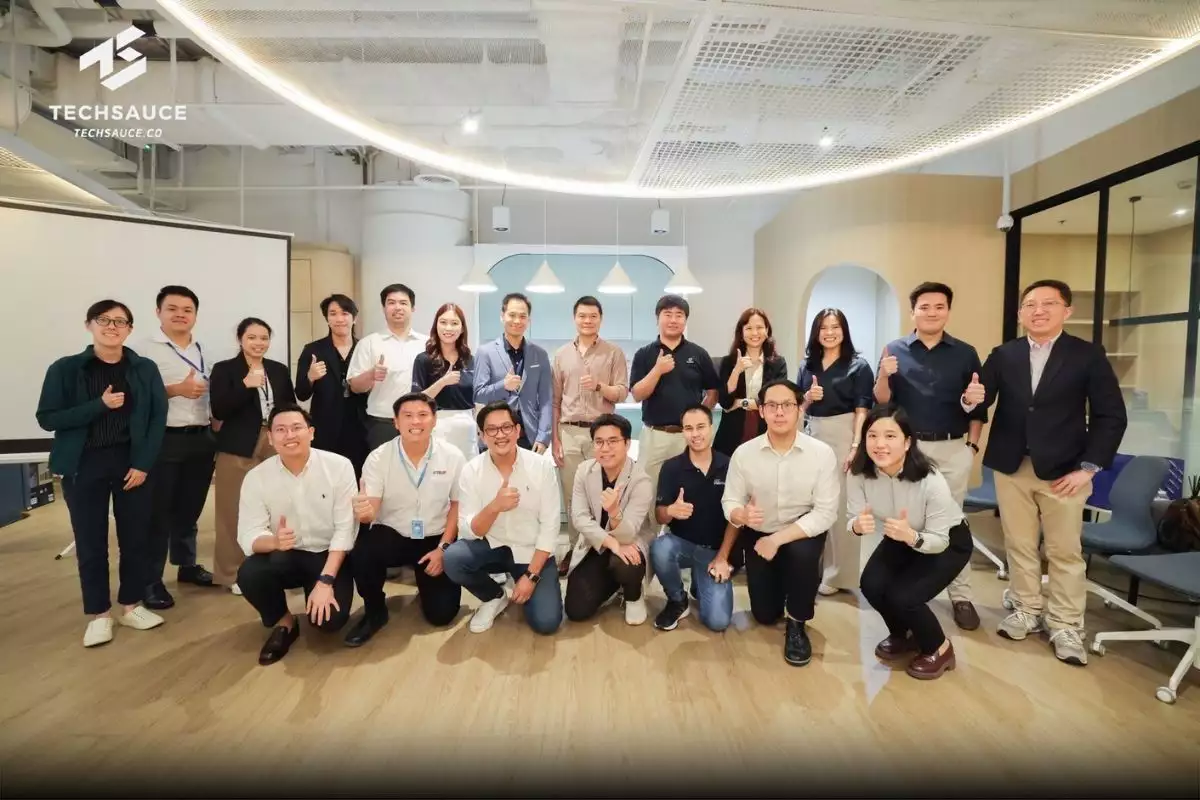
In today’s rapidly evolving business landscape, Corporate Venture Capital (CVC) has become a strategic necessity—no longer just a financial instrument, but a critical driver of innovation and long-term growth.
As the corporate venture capital arm of PTT Global Chemical (GC), GC Ventures plays a key role in advancing the company’s transformation toward innovation-driven, sustainable growth. With a focus on deep tech, green chemistry, and circular solutions, GC Ventures invests in startups that can create long-term strategic value and support GC’s global competitiveness.
To spark deeper dialogue, GC Ventures convened a panel of leading investment practitioners to discuss the evolving challenges and opportunities shaping the future of corporate venture investing in today’s uncertain landscape. The panel included Mr. Prempreedee Kitirattrakarn, CEO of ExpresSo NB, Mr. Narusan Dhanvajor, CEO of InnoSpace, Mr. Om Kaosa-ard, Head of Venture Capital at Innopower and was moderated by Mrs. Amornrat Thamrongvarangkul, Corporate Venture Business Development at GC Ventures.
Together, they examined what it takes to build a strong strategic foundation for CVC, how funds evolve from passive observers to orchestrators of corporate transformation, and why effective collaboration with startups is key to unlocking long-term value. The conversation also addressed how resilient portfolio management can help CVCs navigate uncertainty and deliver sustained strategic impact.
By engaging with startups, CVC helps the parent company — the “mothership” — gain early insights into disruptive trends. As Om Kaosa-ard puts it, “CVC must solve corporate pain points, help solve the missing puzzle, and diversify the company’s risk.”
Building a Strong Strategic Foundation for Effective CVC
A successful CVC initiative begins with a well-defined strategic framework covering fund’s size, deployment strategy, and investment mandate. This clarity ensures consistent decision-making, even in volatile markets. For example, a late-stage fund should not pivot abruptly to early-stage deals without re-evaluating its thesis.
As Narusan Dhanvajor emphasizes, “Transparency is key in difficult situations.” His approach includes conducting biannual “health checks” with limited partners (LPs) to ensure continued alignment on both the fund’s strategy and execution. These check-ins foster trust and provide critical feedback, helping to keep the fund agile yet grounded in its core mission."
The Evolution of CVC: From Tourist to Orchestrator
In its early stages, CVC 1.0 often took on the role of a "tourist" - exploring the startup ecosystem, bridging initial connections, and learning the landscape. These efforts were typically led by first-time fund managers with OKRs centered on knowledge sharing and ecosystem mapping. The primary goal was to observe, understand, and build relationships. Draft: Pitching article
However, once the CVC gained a deep understanding of the ecosystem and identified opportunities for synergy, it transformed into a powerful strategic tool. At this stage, the fund could actively support corporate innovation goals by becoming a “weapon” for the corporation.
The ultimate evolution is when a CVC becomes an “orchestrator” - influencing not just innovation pipelines, but also corporate direction. As Prempreedee Kitirattrakarn emphasizes, “As an orchestrator, the focus must shift toward generating strategic value that supports C-level decision-making and can shape the corporation’s broader direction.”
In this role, the CVC is no longer just an investment arm, but a strategic catalyst, aligning startup innovation with long-term corporate transformation.
Portfolio Management in Times of Uncertainty: Building Strategic Resilience
In times of market turbulence, strategic resilience becomes the cornerstone of effective portfolio management. The first step is to reassess the portfolio: review current valuations, revisit past assumptions, and update future projections. This analysis should be shared with senior management in a format that is clear, concise, and actionable.
At the same time, CVCs must actively engage with their portfolio companies. Startups often operate with narrow margins for survival during crises. Open conversations about prioritization, cost discipline, and runway extension are essential. Helping startups stay focused on their core mission while navigating uncertainty can be the difference between survival and failure.
ลงทะเบียนเข้าสู่ระบบ เพื่ออ่านบทความฟรีไม่จำกัด

KBank Partners with Techsauce to Host "Empower The Future Economy"
KBank and Techsauce host "Empower The Future Economy," an affiliate event held during the IMF-World Bank Group Annual Meetings 2026, featuring Deputy PM Suphajee Suthumpun and lead...
 0
0

FROM LAB TO MARKET SPACE-F BATCH 7 KEY TAKEAWAYS AT TECHSAUCE GLOBAL SUMMIT 2026
สรุปไฮไลท์ SPACE-F ในงาน Techsauce Global Summit 2026 เผยทิศทาง FoodTech ไทย จาก Kitchen of the World สู่ศูนย์กลางนวัตกรรมอาหารระดับโลก...
0
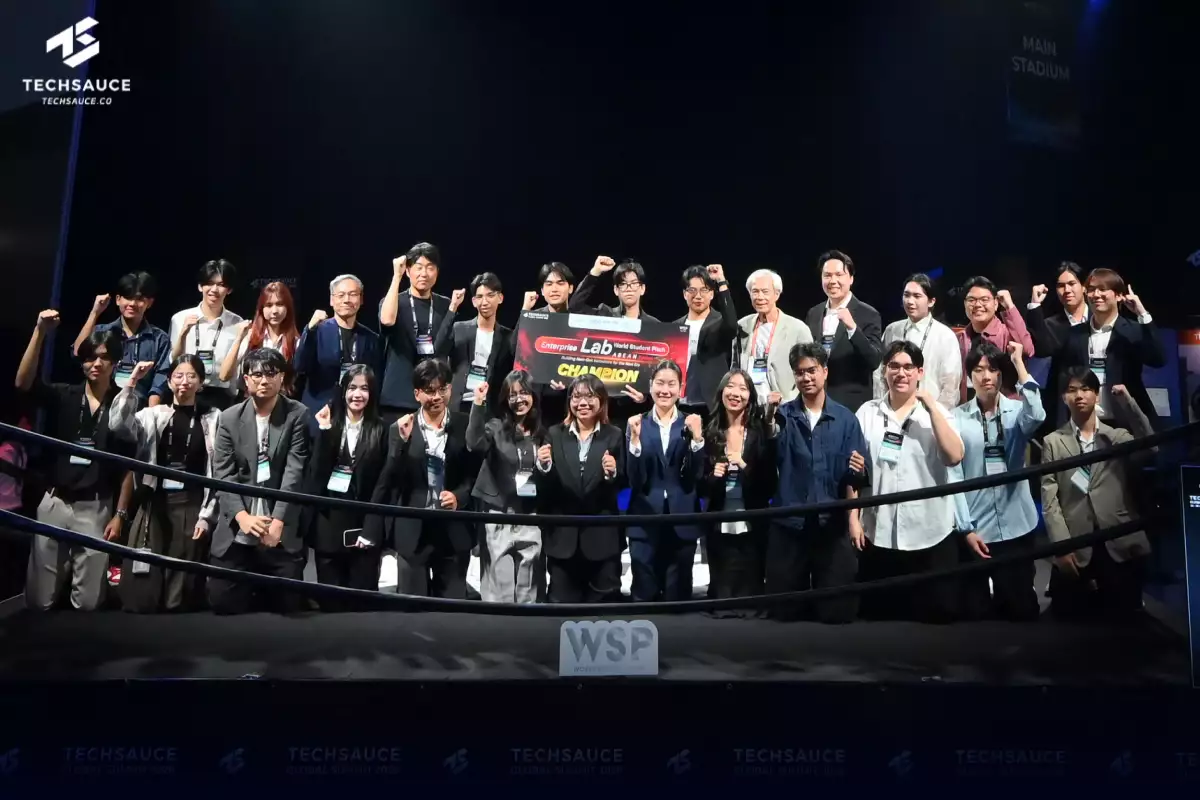
Student team Ctrl_A took the Grand Prize at Enterprise Lab: World Student Pitch ASEAN Edition 2026 with YARDS, an AI scrap steel grading system, beating eight other finalists at Te...
0