
Beyond the Chip Race: Konrad Young on Why Thailand Must Play a Different Game
At the Techsauce Global Summit 2025, a session was dedicated to semiconductors, the brains of the AI era, and a technology many countries, including Thailand, are eager to produce and develop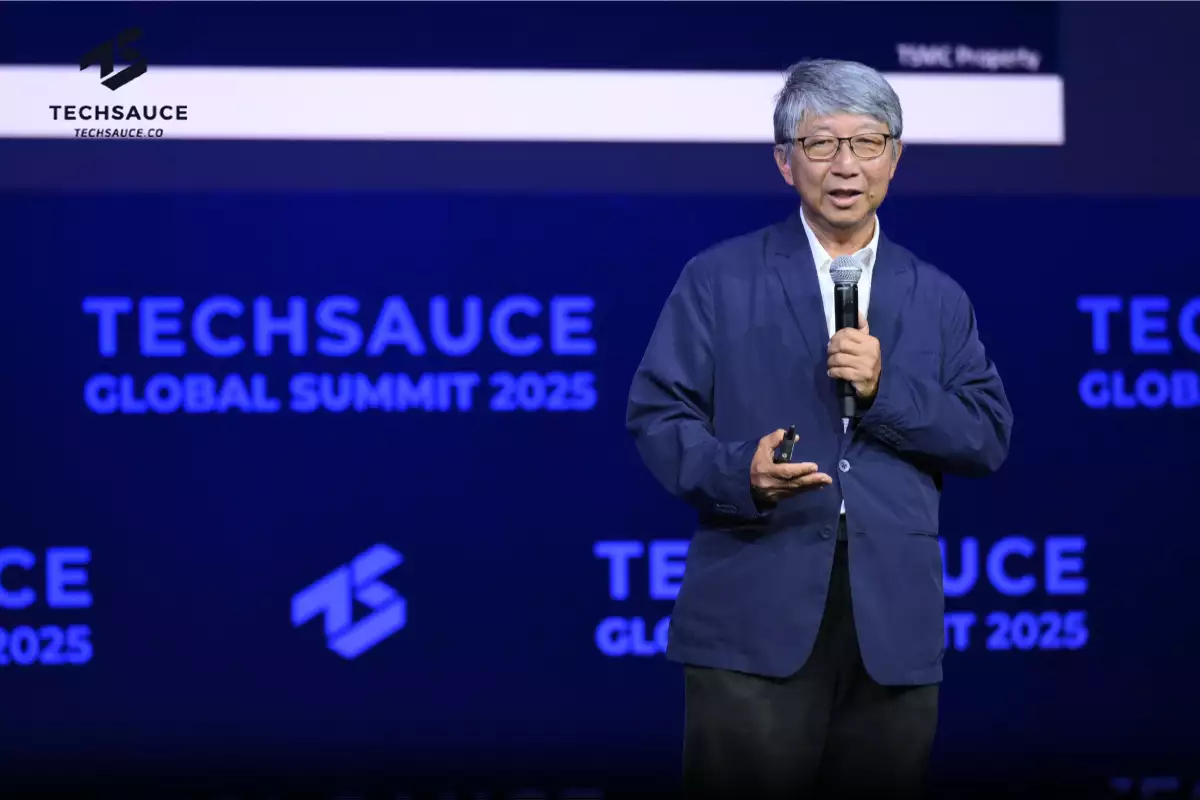
During the recently concluded session, 'Semiconductor Tech Advancement: Navigating the Future of Innovation,' Professor Konrad Young, former R&D Director at TSMC, the world's most influential chip manufacturer, explained a path forward for Thailand in the industry that drives the modern world.
"Throughout my 40-year career, Thailand was never on my mind when it came to semiconductors,"
Professor Konrad Young began, offering a dose of reality about Thailand's current standing on the global stage.
The subsequent question is, in a world where chip technology is at the heart of everything from AI to electric vehicles, how can a smaller country like Thailand find its place?
The Semiconductor Battlefield = A Rich Person's Game and an Endless War
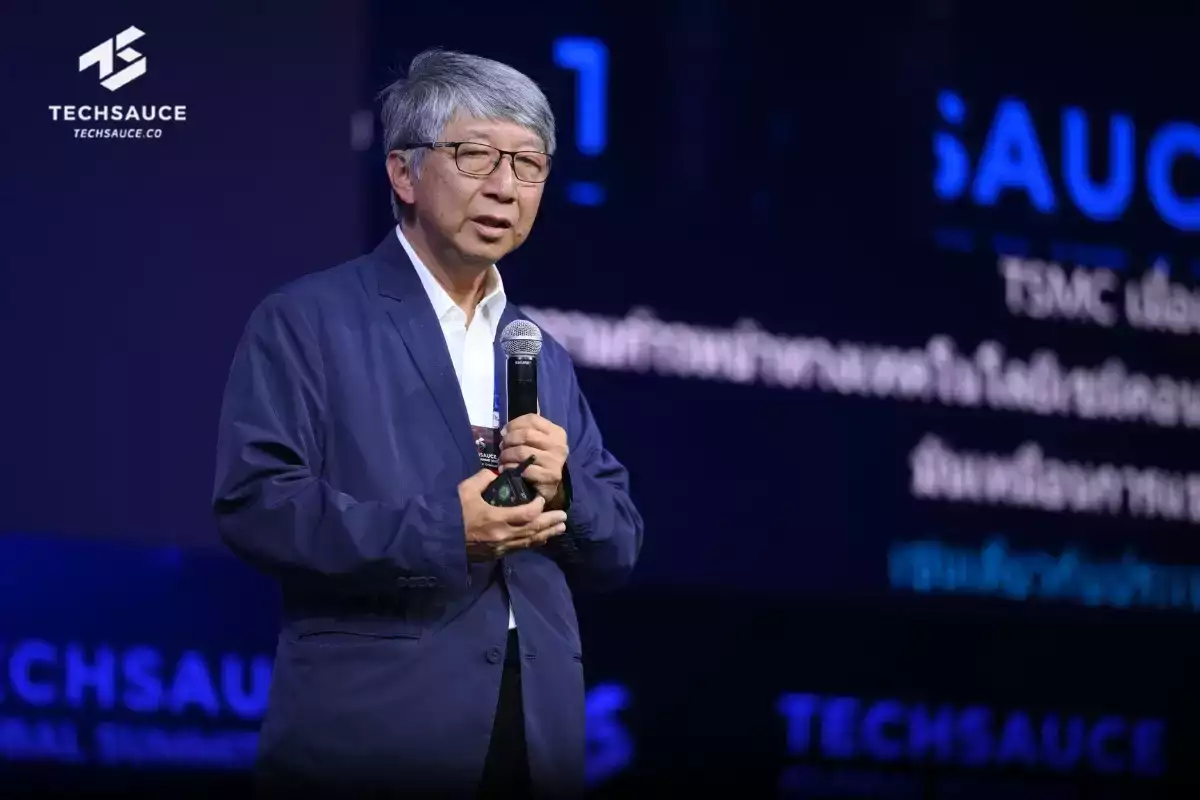
Professor Konrad Young painted a clear picture: the semiconductor industry is not a playground. It's a "rich person's game," or what could be called a very anti-democratic industry, where only massive corporations and superpowers can afford to pour in the colossal sums of money required to compete and access the most advanced technology.
He posed the question: "How can the world benefit from semiconductors if you are not a large company or a large country?"
He likened the competition to an arms race, requiring continuous, massive investment in research and development, similar to how the United States, Russia, and China build up their vast military resources.
As an example, he pointed to TSMC, which has consistently dedicated 8% of its revenue to R&D for nearly 30 years. He stated that TSMC's revenue this year would be approximately $90 to $100 billion, meaning the company will spend around $7 to $8 billion on R&D alone—a figure that exceeds the entire R&D budget of Taiwan (excluding TSMC).
Beyond the immense capital, the industry has a steep learning curve stretching back over 60 years since the inception of Moore's Law, making it nearly impossible and far too expensive for new players to catch up.Based on the session
From Globalization to Localization
The most significant challenge today is geopolitics, particularly the technological conflict between the U.S. and China, which is shaking the foundations of the once-solid global supply chain.
"The U.S. is trying to dismantle this system and is forcing everyone to move production to the U.S. in a rather inefficient way," he noted.
This situation is compelling the world to shift towards localization, establishing regional and local production bases. While this presents a formidable challenge, he sees it as potentially creating small opportunities for countries that were previously not part of the equation. Vietnam, for instance, is trying to capitalize on the desire to move manufacturing out of China, and the Czech Republic is working to integrate into Germany's supply chain. However, seizing these opportunities requires an exceptionally clever strategy.
The Path for Thailand and Smaller Nations Must Start with 'Local Demand'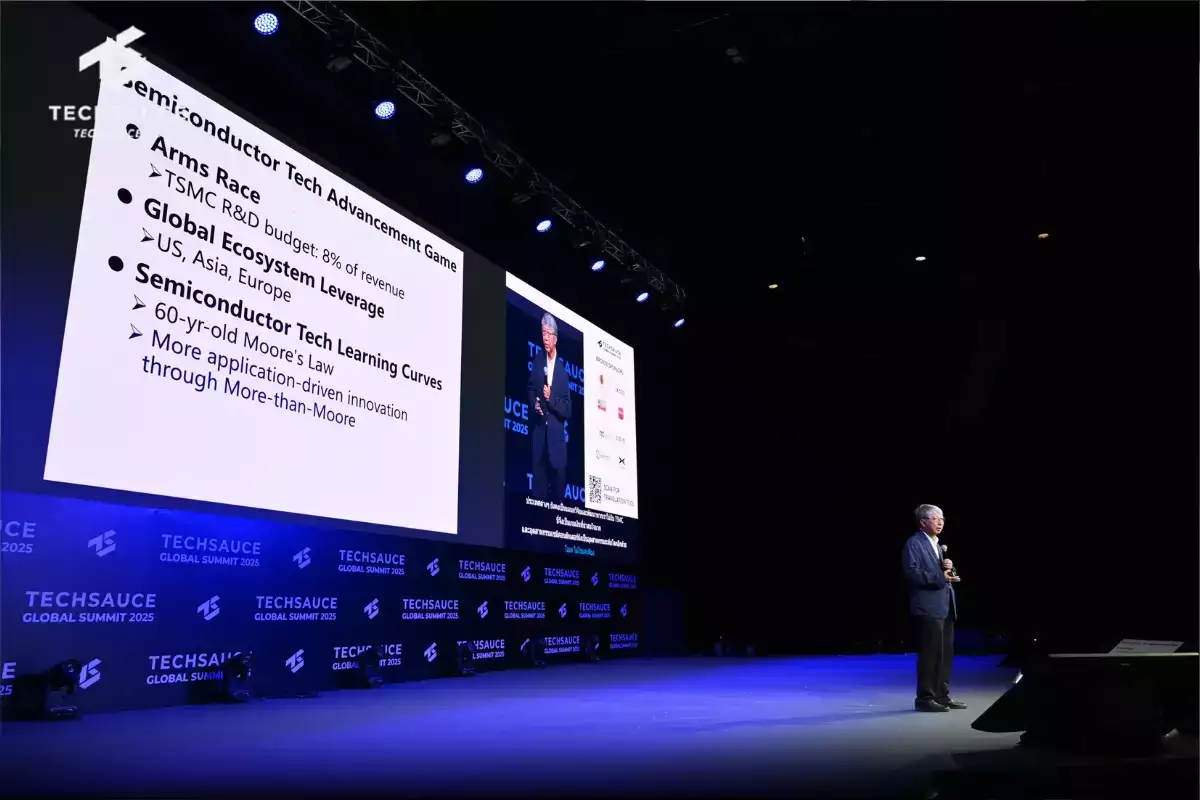
So, what should a country like Thailand do? Professor Konrad Young admitted this is the most difficult question to answer. The solution, he argued, is not to jump in and build chip fabrication plants to compete with the giants. Instead, the focus must be on the most crucial foundation: local demand.
"You must have the desire and the will, in a top-down fashion, to create demand within the domestic market."
He used Vietnam as an example, explaining that if the country's largest company, VinGroup (an automobile manufacturer), has no demand for locally produced components, a domestic semiconductor industry can never emerge.
Therefore, the strategy for Thailand and other similar nations should be:
- Build industries that require chips: There must be strong domestic target industries, such as automotive, medical devices, or clean energy, to generate real demand for chips.
- Find your unique strengths: Each country must answer the question, 'What are our strengths?' Whether it's cultural advantages, natural resources, or a skilled workforce, these strengths must lead the way.
- Collaborate with other nations: The remaining countries must work together to create bargaining power. The most critical element is the international exchange of talent, as collaboration can lead to greater achievements.
- Focus on sustainable innovation: Instead of competing to develop the fastest and most powerful chips, consider opportunities in niche markets, such as creating "Green Semiconductors," a trend of global importance.
Professor Konrad Young's conclusion serves as a warning: entering the semiconductor industry is not about dreams, but about a strategy grounded in reality. For Thailand, this journey can only begin once we have answered the most fundamental questions: How will we create demand from within, and what strengths will we leverage to compete on the world stage?
Based on the session: "Semiconductor Tech Advancement: Navigating the Future of Innovation" session at the Techsauce Global Summit 2025.
ลงทะเบียนเข้าสู่ระบบ เพื่ออ่านบทความฟรีไม่จำกัด

Following the Enterprise Lab World Student Pitch ASEAN Edition at Techsauce Global Summit 2026, Techsauce spoke with Tirayu Songvetkasem, Chief Digital Officer of CP AXTRA. As an E...
 0
0

When AI Chooses for Your Customer: Accenture Song on the New Rules of CX
Accenture Song's Tuomas Peltoniemi on how AI agents are taking over customer decisions, and the five lessons brands need before the buyer stops being human....
0

20 Years of Lessons from DeeMoney's CEO Technology Moves Information, but Trust Is What Moves Money
DeeMoney co-founder and CEO Aswin Phlaphongphanich unpacks the unspoken facts of global payments at Techsauce Global Summit 2026: there is no global transfer network, payment firms...
1