Thailand's Nuclear Energy Frontier: Experts Map the SMRs Landscape
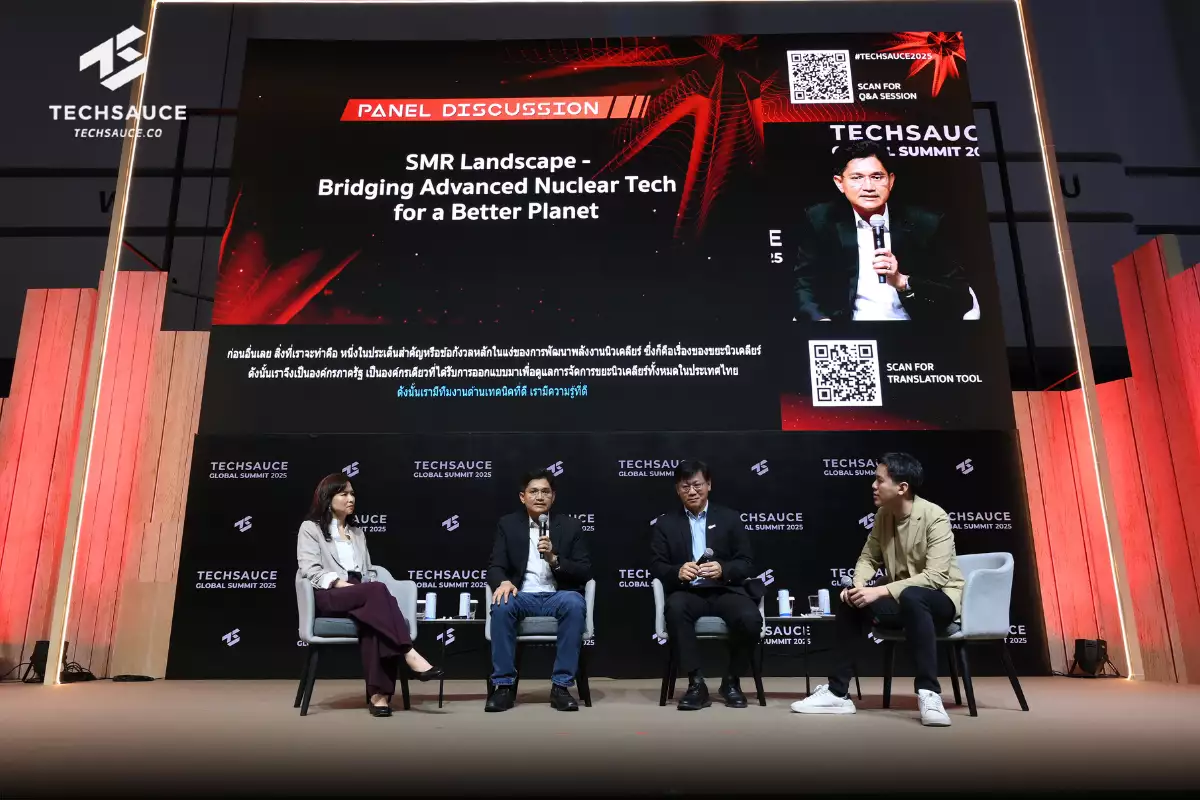
As Thailand and the world grapple with the urgent need for carbon neutrality, the limitations of existing green energy solutions have become clear. While solar and wind are vital, they cannot single-handedly power a modern, industrial economy 24/7. This challenge was the focus of a recent panel discussion at Techsauce Global Summit 2025, "SMR Landscape: Bridging Advanced Nuclear Tech for a Better Planet," which brought together experts from Thailand's energy, investment, and technology sectors. The consensus was clear: Small Modular Reactors (SMRs) are no longer a distant theory but a tangible, strategic necessity for achieving energy security, affordability, and sustainability.
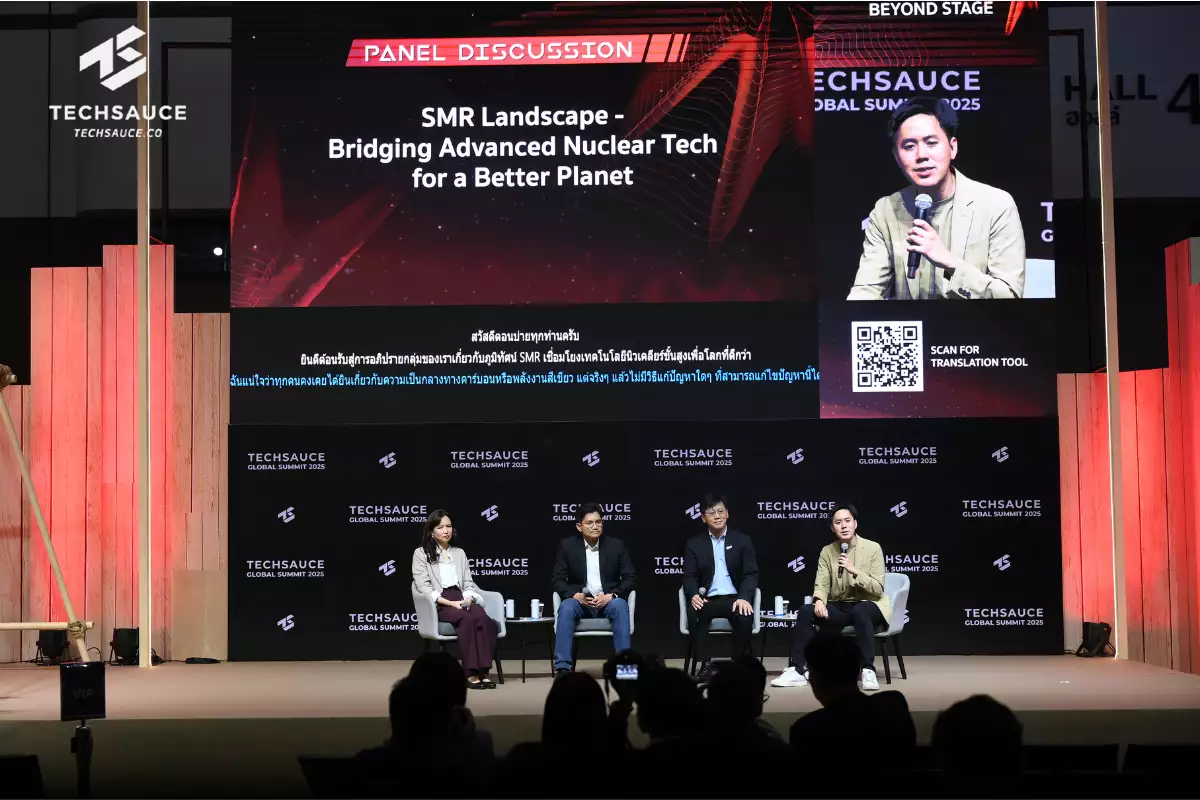
The panel featured three key experts: Assoc. Prof. Thawatchai Onjun, Executive Director of the Thailand Institute of Nuclear Technology (TINT); Narin Apisuitimitree, Senior Principal at PTTEP's venture arm Xplor Ventures; and Sirimet Leepagorn, President & Acting COO of Global Power Synergy. The discussion was moderated by Dr. Jirawat Tangpanitanon, Co-founder & CEO of the Quantum Technology Foundation (QTFT).
The Energy Dilemma: Why a New Power Source is Non-Negotiable
Before the panel explored solutions, they first painted a stark picture of Thailand's current energy predicament. The nation is caught in what Sirimet Leepagorn defined as the "energy trilemma"—a struggle to secure power that is simultaneously sustainable, affordable, and secure.
The problem is that current options force a compromise.
The first major challenge is sustainability. The panel agreed that the push for net-zero is non-negotiable, driven by what Prof. Thawatchai called "a really big issue for everyone": global warming. Yet this goal immediately clashes with the 24/7 power demands of an industrial nation. Renewables, while clean, cannot provide constant, reliable power. This lack of 24/7 reliability is a non-starter for heavy industry and new, power-hungry sectors like data centers.
Renewable can serve sustainability, but cannot serve security,
- Sirimet Leepagorn
On the other hand, the fossil fuels used to guarantee that 24/7 reliability are creating a massive economic and security vulnerability. Sirimet noted that the "Gas supply from the Gulf of Thailand cannot supply sufficiently," forcing a dangerous dependence on volatile Liquid Natural Gas (LNG) imports.
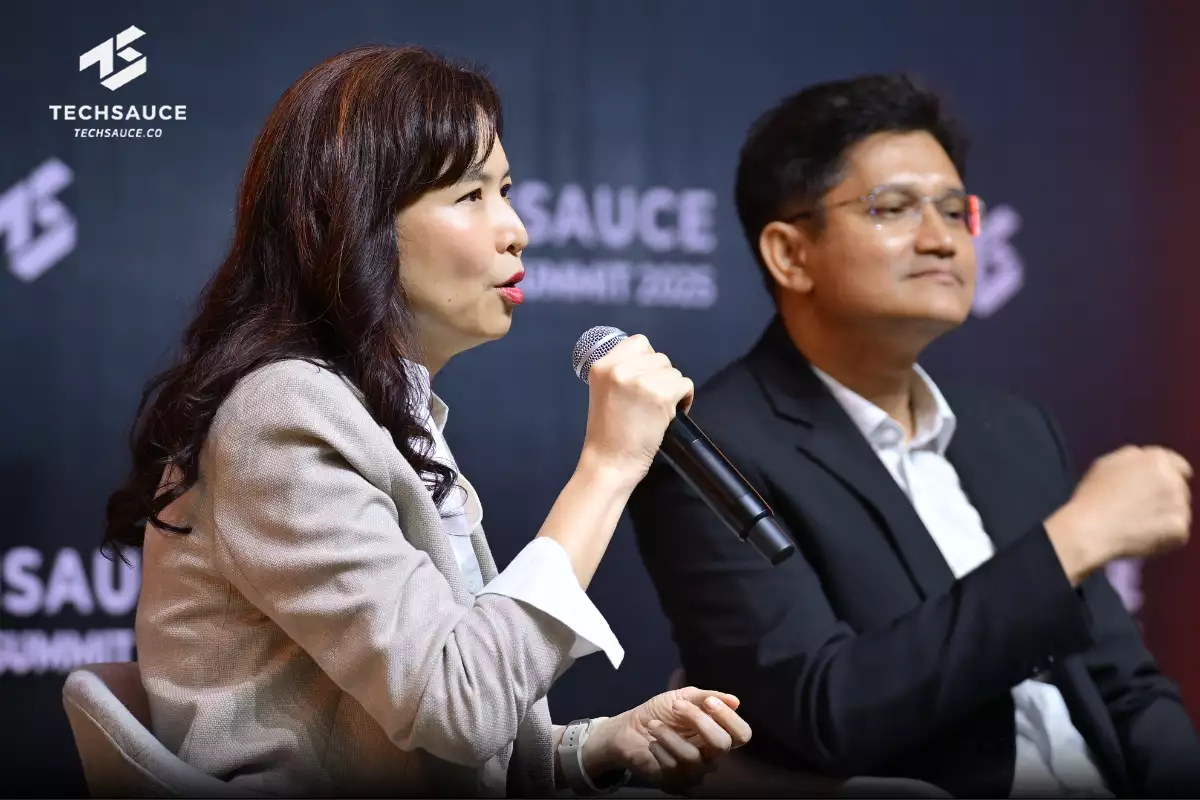
He provided a shocking figure to illustrate this risk: in 2022, following the war in Ukraine, LNG prices "shot up to 50 US dollars per million BTU" from a typical price of $10-$12.
This leaves Thailand with a critical, unsolved gap: a need for a power source that is clean like renewables, but reliable like gas—without the carbon emissions or the crippling price volatility. This, the panel argued, is the precise challenge that SMRs are positioned to solve.
What are SMRs? A New Generation of Nuclear
For many, the term "nuclear" evokes images of massive, complex power plants. Assoc. Prof. Thawatchai Onjun explained why SMRs are a completely different proposition.
By the name SMR, or the small modular reactor, it is one type of nuclear reactor that, because it's small, can take advantage of its physical size and be built in a factory,
- Assoc. Prof. Thawatchai Onjun
This "factory-built" approach is revolutionary. Key advantages include:
- Lower Initial Cost: SMRs are significantly cheaper to build than large-scale reactors, making them financially flexible and less risky.
- Faster Deployment: Construction time is slashed from 6-12 years for traditional plants to just 3-5 years for SMRs.
- Versatility: SMRs aren't just for electricity. They can provide high-temperature process heat for industry, power hydrogen production, and even desalination.
- Inherent Safety: Their small size means a much smaller source of radioactive material, and new "Generation 4" designs have passive safety features, meaning they can self-cool without human intervention.
Moderator Dr. Jirawat Tangpanitanon offered a powerful analogy: "Back then... we had a very large computer, and now we have a mobile phone. It's not just a smaller computer, but it's really revolutionized how we interact."
The Investment and Technology Horizon
The global race for SMRs is already on. Narin Apisuitimitree, detailed the landscape. He noted a split between state-led development in the East (China, Russia) and a dynamic, private-sector-led market in the West (US, Canada), featuring startups like Bill Gates-backed TerraPower.
This new generation of technology, known as Generation 4, uses advanced coolants like liquid metal or high-temperature gas instead of water, offering even greater safety and efficiency.
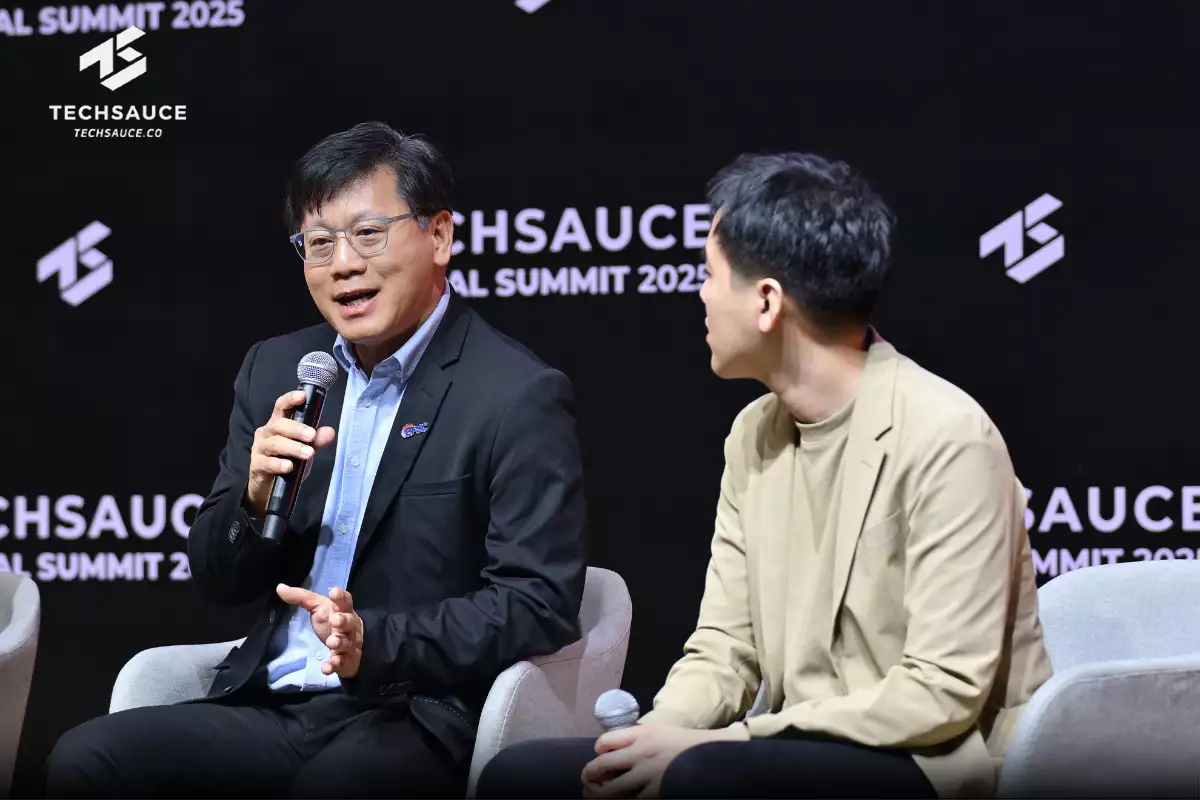
A new, powerful demand driver has also emerged: data centers. "In the US, there is a lot of concern about how the power that they are already generating is not enough for the rise of the data center," Narin said. These tech giants need exactly what SMRs promise: massive, reliable, 24/7 clean power.
While Xplor Ventures has invested in long-term fusion technology, Narin sees SMRs as the more immediate solution. "We expected in the lineup after fusion will be SMR," she stated, projecting a commercial timeline for Generation 4 technology around 2030-2032.
How Thailand is Preparing
The conversation also turned to Thailand's domestic readiness, with panelists outlining the specific preparations their organizations are already making.
- Global Power Synergy (GPSC): Sirimet revealed that GPSC is already "under technology scouting" and has signed MOUs with SMR developers. These include Seaborg Technologies in Denmark, which is developing a reactor on a barge for island and coastal applications, and a Chinese firm developing a high-temperature gas-cooled "pebble bed" reactor.
- Xplor Ventures & PTTEP: Narin explained that as an oil and gas company, PTTEP sees SMRs as a natural strategic evolution. "All the gas that we produce goes to the power plant... So that's the way of generating the power, not from gas, what else could it be?" He said Xplor aims to find promising technologies to support the entire PTT group.
- Thailand Institute of Nuclear Technology (TINT): Prof. Thawatchai outlined TINT's crucial role as the nation's "technical support organization." TINT is preparing to handle three key areas: nuclear waste management, safety research, and—most critically—capacity building by using its existing research reactor to train the future SMR workforce.
The Path Forward: A Call for Policy, Planning, and Public Trust
Despite the technological promise, the panelists agreed that the greatest obstacles are not technical. When asked what Thailand needs to do to drive the SMR movement, they identified three key pillars:
- A Clear Power Development Plan (PDP): "You should start from the PDP first," stated Narin Apisuitimitree, warning that further delays in the national plan push the reality of SMR adoption further away.
- Public Perception and Education: "The most important is the perception of the public," said Sirimet Leepagorn. He called for fact-based education from neutral academic and state bodies to explain the 70-year history of nuclear power and the advanced safety of modern designs.
- A Definitive National Policy: Prof. Thawatchai argued for a vision beyond just electricity. "The government needs to announce that we will go for this," he urged, connecting SMR development to a larger national strategy for supporting high-tech industries, data centers, and hydrogen production.
Ultimately, the discussion painted a picture of a transformative technology that is arriving at a critical moment. The consensus was that SMRs offer a viable, secure, and clean path for Thailand to power its industrial ambitions while meeting its net-zero commitments.
Based on the session: “SMR Landscape - Bridging Advanced Nuclear Tech for a Better Planet” at the Techsauce Global Summit 2025.
ลงทะเบียนเข้าสู่ระบบ เพื่ออ่านบทความฟรีไม่จำกัด

Following the Enterprise Lab World Student Pitch ASEAN Edition at Techsauce Global Summit 2026, Techsauce spoke with Tirayu Songvetkasem, Chief Digital Officer of CP AXTRA. As an E...
 0
0

When AI Chooses for Your Customer: Accenture Song on the New Rules of CX
Accenture Song's Tuomas Peltoniemi on how AI agents are taking over customer decisions, and the five lessons brands need before the buyer stops being human....
0

20 Years of Lessons from DeeMoney's CEO Technology Moves Information, but Trust Is What Moves Money
DeeMoney co-founder and CEO Aswin Phlaphongphanich unpacks the unspoken facts of global payments at Techsauce Global Summit 2026: there is no global transfer network, payment firms...
1