
SKAI MED Debuts AI-Enhanced Sensor to Democratize Stroke Screening
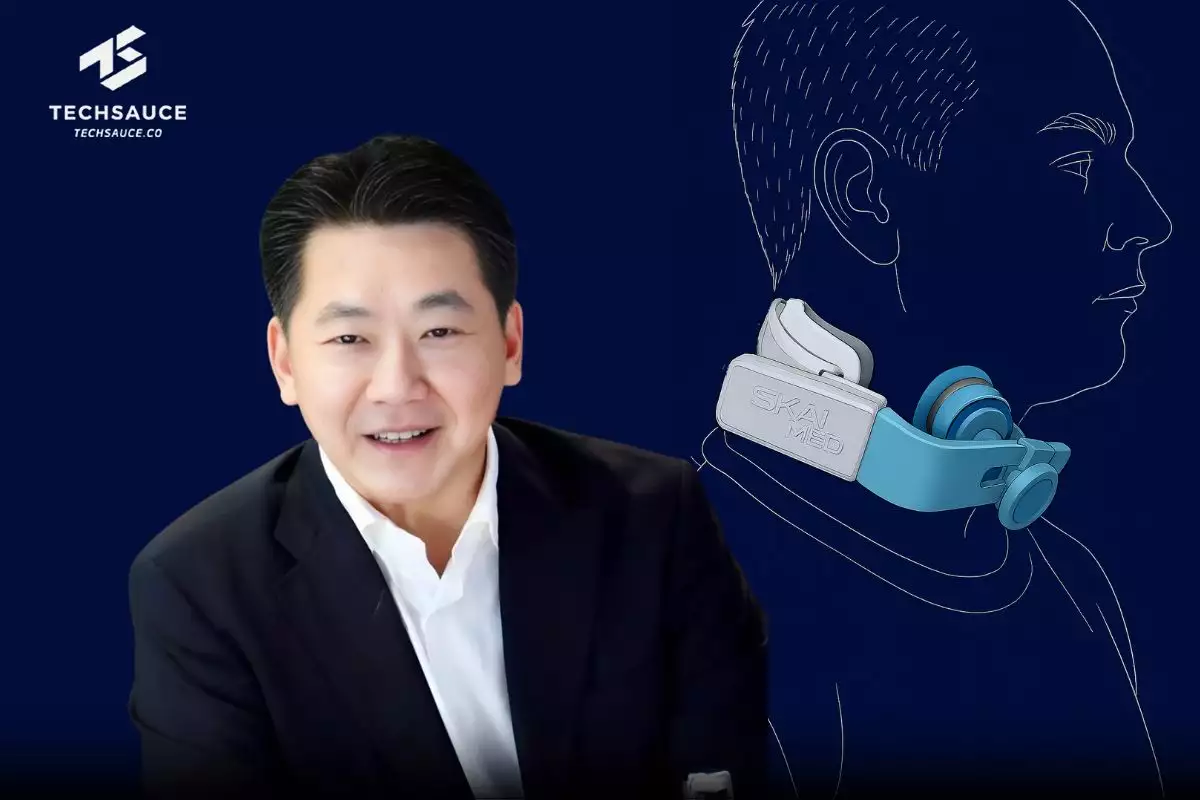
In a major leap for preventive healthcare, SKAI MED announces the launch of its groundbreaking AI-enhanced piezoelectric sensor for stroke screening—designed to bring advanced diagnostics to the frontlines of primary care. This compact, cost-effective device is set to transform how stroke risk is assessed, especially in underserved and remote communities.
Rethinking Stroke Screening: From Hospitals to Health Posts
Traditional stroke screening relies on Doppler ultrasound—a complex, expensive technology requiring trained specialists and hospital-grade equipment. This limits access, particularly in rural areas where early detection is most critical.
SKAI MED’s innovation flips the model. Its portable piezo sensor, powered by proprietary AI algorithms, enables decentralized screening by frontline health workers—no imaging tools or specialist training required.
What Makes SKAI MED a Game-Changer?
- Decentralized Deployment
Designed for primary care settings, the device empowers health workers to screen patients quickly and accurately—bridging the gap between advanced diagnostics and community care.
- Clinical-Grade Accuracy
Achieves high precision in screening low-risk individuals – benchmarked against actual carotid plaque scores using Doppler ultrasound. Designed to support confident, early decision-making in primary care.
- Scalable & Affordable
With a low-cost design and minimal training requirements, SKAI MED’s solution is built for mass adoption across emerging markets and national health systems.
- Proprietary AI & IP Advantage
SKAI MED’s algorithms are trained on diverse datasets and backed by pending patents—creating a defensible edge in the stroke diagnostics space.
Market Opportunity & Urgency
Stroke is the second leading cause of death globally, with over 12 million cases annually. Yet, in many regions, screening is virtually nonexistent. According to Data Bridge Market Research, the global stroke diagnostics market is projected to reach $7 billion by 2032, driven by rising demand for early detection and scalable preventive care solutions.
“By decentralizing stroke screening and making it accessible at the primary care level, we can intervene earlier and potentially save lives,” said Dr. Visit Thaveeprungsriporn, CEO of SKAI MED. “Our goal is to close the gap in preventive healthcare and ensure every individual has access to timely evaluation and care.”
Traction & What’s Next
SKAI MED is launching real-world pilots across Northeastern Thailand, in collaboration with community health organizations and primary care centers. These programs will validate performance, generate clinical data, and pave the way for nationwide deployment.
For more information about our stroke screening innovation and upcoming pilot programs, please visit Website: www.skai-med.com
ลงทะเบียนเข้าสู่ระบบ เพื่ออ่านบทความฟรีไม่จำกัด


Anthropic co-founder Jack Clark likens AI to Formula 1 at night without brakes and calls for shared safety standards, as leaders from the IMF, Bank of Canada, and DHL debate who sh...
 0

World Bank, IMF, and Singapore leaders explain how Small AI, simple tools that work even on a 3G phone, could help create jobs for 1.2 billion young people, and which sectors and p...
0
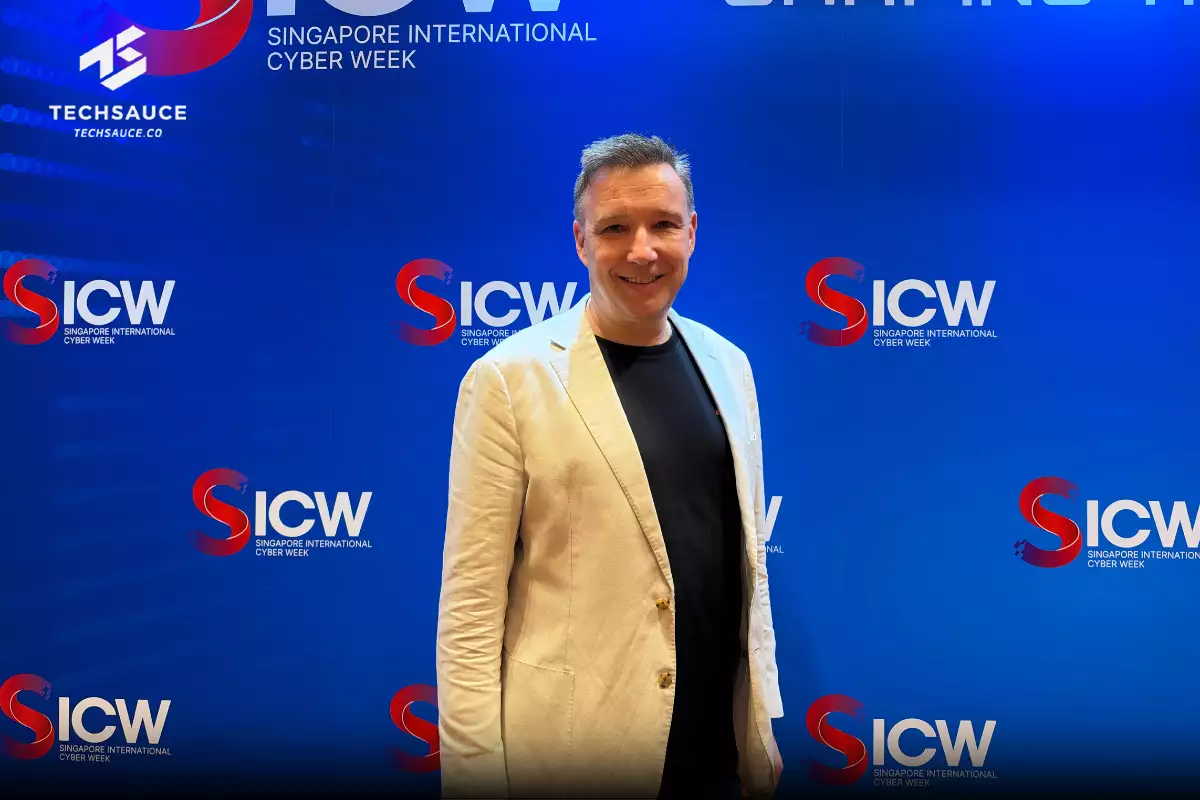
Cloudflare Field CISO Volker Rath says AI is weakening traditional defenses. Organizations need Zero Trust, security teams that act as engineers, policy written as code, and clear ...
0