How Robotic Avatars Are Extending Our Senses into the Deep Sea and Beyond
At the Techsauce Global Summit 2025, Professor Oussama Khatib from Stanford University shared a vision of the future of robotics with “Remote Robotic Avatars,” a technology that could be described as creating a physical presence or “avatar” for a human operator. This innovation is set to overcome physical limitations and assist humanity in numerous ways.

In the past, the internet allowed us to see and hear each other across the globe. Now, this new technology will enable us to feel, touch, and physically interact with distant environments in real-time.
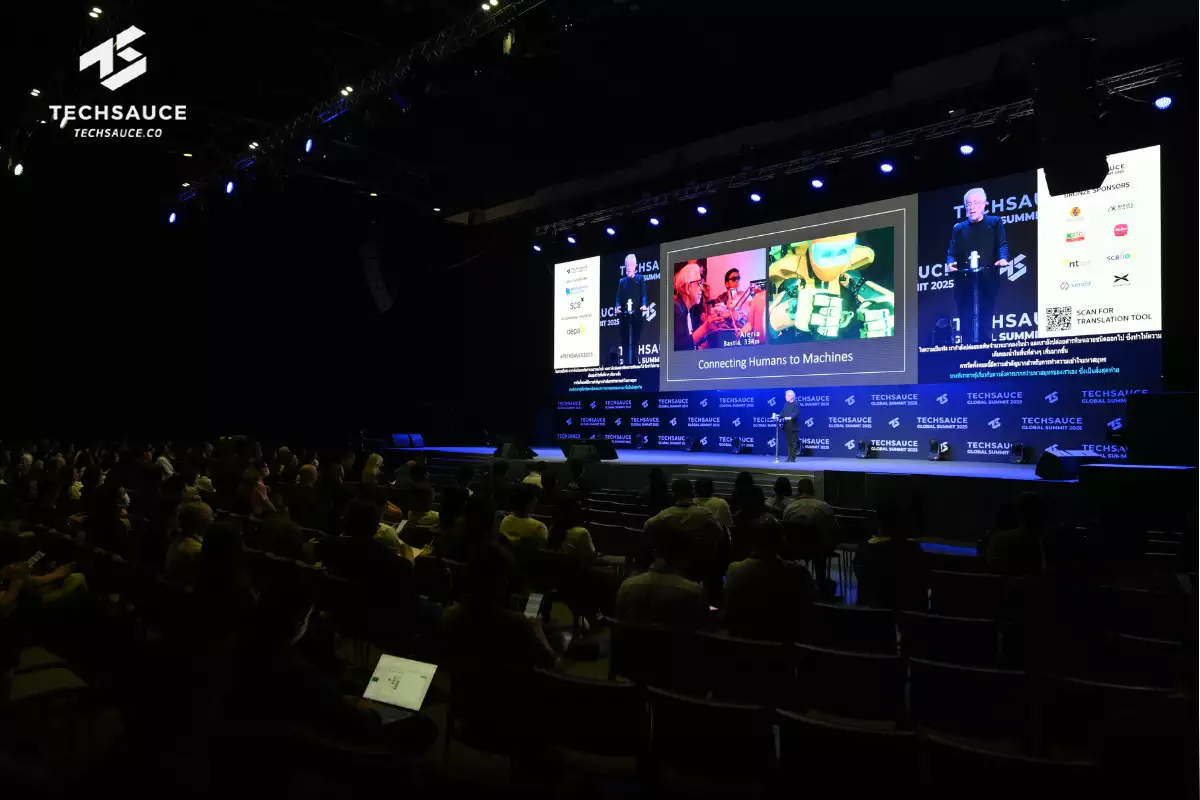
Professor Khatib explained that while most robots have historically been designed to “see,” the future demands robots that can also “do.” This is the foundation of the vision to connect humans with machines, allowing us to project our skills, sensations, and decision-making abilities into remote or hazardous locations.
OceanOneK: The Robot Deep-Sea Archaeologist
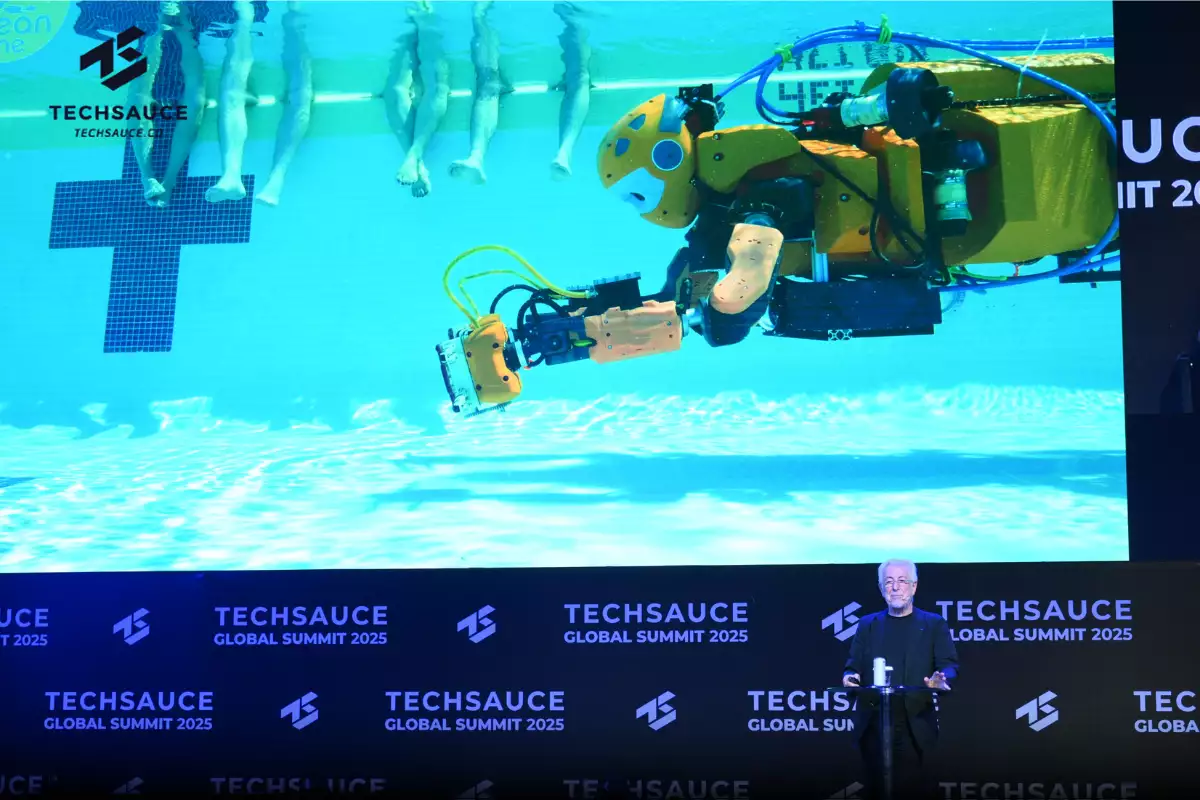
Professor Khatib highlighted the OceanOneK project, a field robot that acts as an avatar for underwater explorers. It was built to perform tasks using haptic technology, which allows the operator to tangibly feel objects from a distance. The OceanOneK robot can undertake a variety of missions, such as:
- Archaeological Exploration: It has explored the wreckage of fighter planes and ancient Roman ships. Remarkably, it can gently retrieve fragile artifacts, like thousand-year-old vases and terracotta lamps, from the seabed—objects that archaeologists have never been able to touch with their own hands before.
- Deep-Sea Diving: OceanOneK has broken records by operating at depths inaccessible to humans. It conducted a dive off the coast of Cannes at a depth of 750 meters and reached a record of 850 meters. These missions, performed under immense pressure, showcase its advanced engineering capabilities.
- Beyond shipwrecks, the robot is a crucial tool for scientists studying the geology of the Kolumbo underwater volcano in Santorini, as well as for marine biology research, coral reef examination, and combating plastic pollution.
- This technology also has applications in other industries, such as maintaining underwater energy pipelines and offshore drilling rigs.
From Deep Sea to Healthcare
The powerful core technology of these robotic avatars is not limited to underwater exploration. It is being adapted for the public health sector to overcome geographical barriers and address personnel shortages in the medical field. Professor Khatib cited the example of ultrasound procedures, which present two main challenges:
- Performing ultrasounds requires repetitive pressure and movements, which can cause long-term wrist injuries for sonographers.
- Many remote areas, including small towns and villages worldwide, lack hospitals and specialists, limiting public access to ultrasound services.
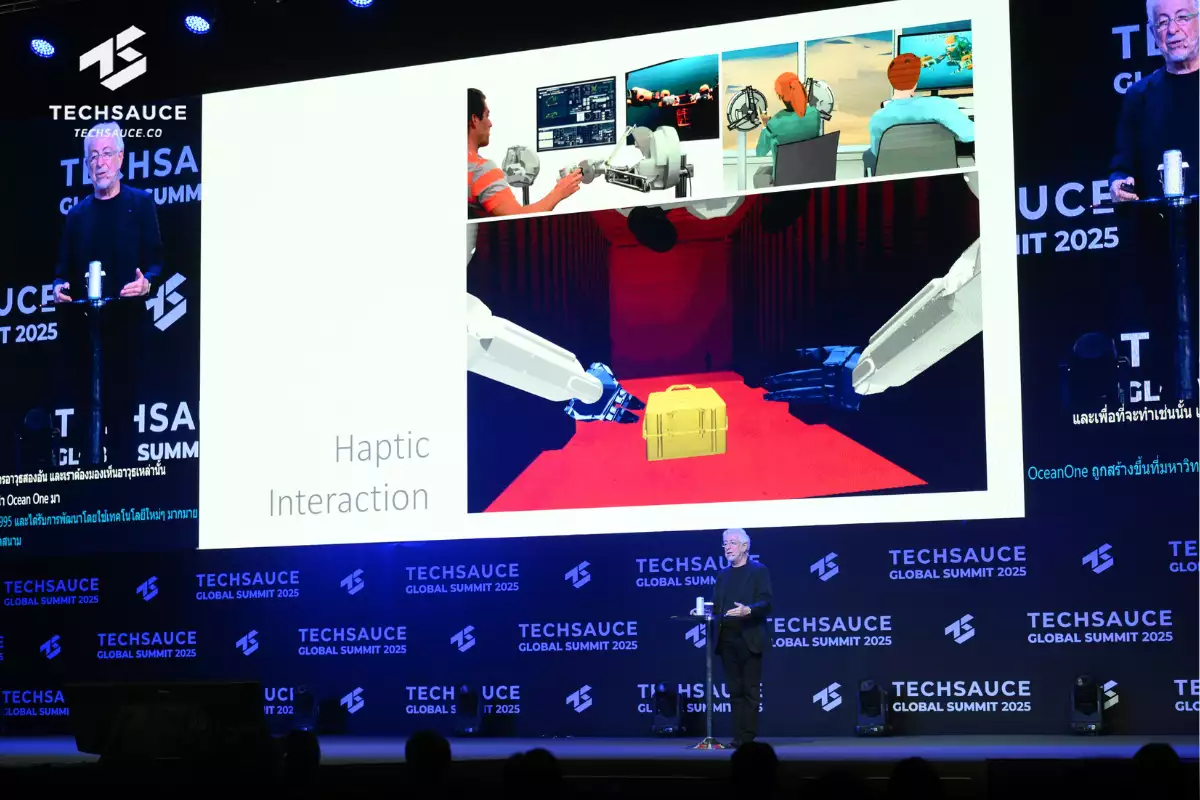
To solve these issues, the Stanford research team has developed a user-friendly robot to perform ultrasound scans in place of medical staff. A specialist uses a haptic device to control the robot remotely, allowing them to feel the patient's body resistance and contours as if they were conducting the exam in person, but without being physically present.
The ultimate goal of this project is to create “mobile ultrasound clinics” housed in vans equipped with the robot and communication systems. These clinics could travel to remote areas and connect with expert physicians—who might be in a hospital on the other side of the world—to perform real-time diagnoses and provide consultations.
The system also features an automated scanning capability for initial assessments, speeding up the process before a specialist takes control for a more detailed and complex examination.
Based on the session: “Remote Robotic Avatars: Deep Sea, Health Care, and the Workplace” session at the Techsauce Global Summit 2025.
ลงทะเบียนเข้าสู่ระบบ เพื่ออ่านบทความฟรีไม่จำกัด

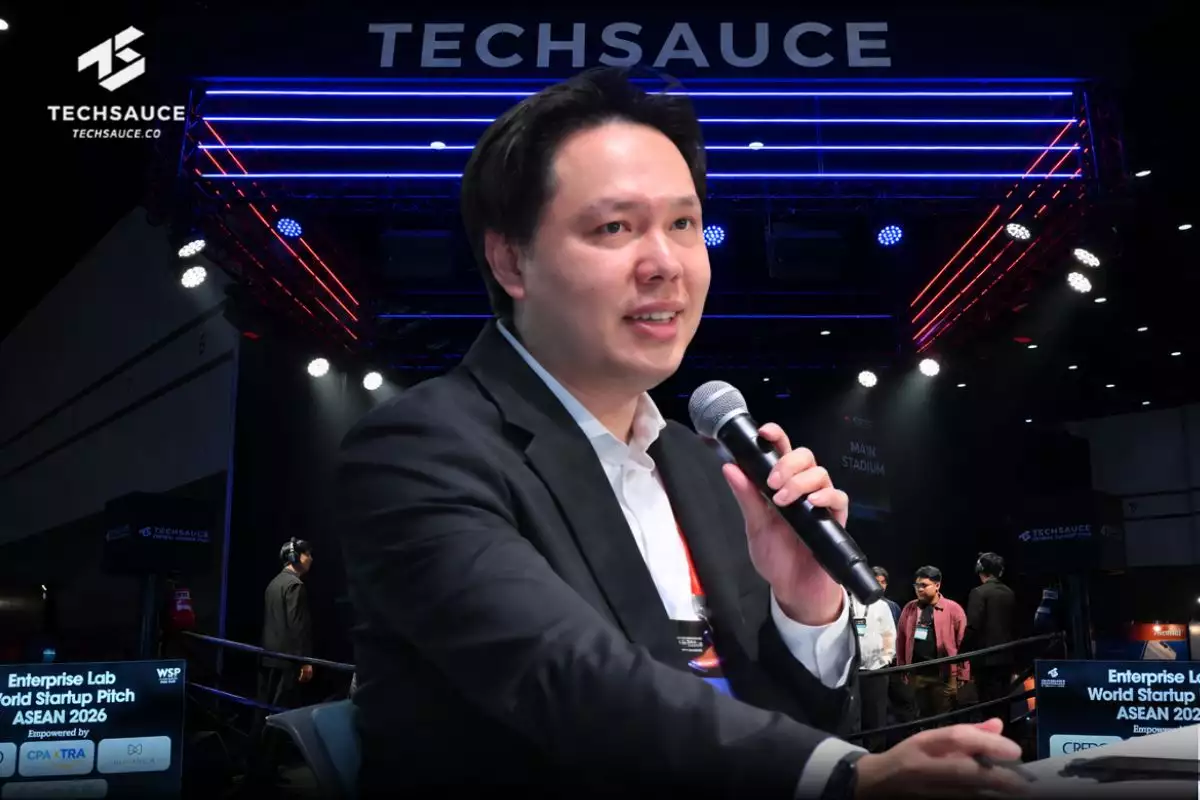
Following the Enterprise Lab World Student Pitch ASEAN Edition at Techsauce Global Summit 2026, Techsauce spoke with Tirayu Songvetkasem, Chief Digital Officer of CP AXTRA. As an E...
 0
0

When AI Chooses for Your Customer: Accenture Song on the New Rules of CX
Accenture Song's Tuomas Peltoniemi on how AI agents are taking over customer decisions, and the five lessons brands need before the buyer stops being human....
0

20 Years of Lessons from DeeMoney's CEO Technology Moves Information, but Trust Is What Moves Money
DeeMoney co-founder and CEO Aswin Phlaphongphanich unpacks the unspoken facts of global payments at Techsauce Global Summit 2026: there is no global transfer network, payment firms...
1