How to Scale Business to Southeast Asia: ATLAS Alliance of Four Nations Unlocks Opportunities for Startups in ASEAN

During the Techsauce Global Summit 2025, one of the most highly anticipated sessions brought together four leading tech ecosystem enablers from Vietnam, the Philippines, Thailand, and Indonesia. They came to demystify the topic, "How to Scale Business to Southeast Asia," and to announce the launch of a historic new alliance, ATLAS, poised to take regional business expansion to the next level.
The panel included Huynh Cong Thang of InnoLab Asia (Vietnam), Paolo Rentero of TechShake (the Philippines), Mega Prawita of Kumpul (Indonesia), and Oranuch “Mimee” Lertsuwankij of Techsauce Media (Thailand). They shared insights into their respective national ecosystems and revealed the crucial “missing puzzle piece” that will break down barriers and make it easier than ever for startups and investors worldwide to access the Southeast Asian (SEA) market.
A Deep Dive into Four Key SEA Markets
Vietnam: Building an Integrated Ecosystem, Turning Cities into Financial Hubs
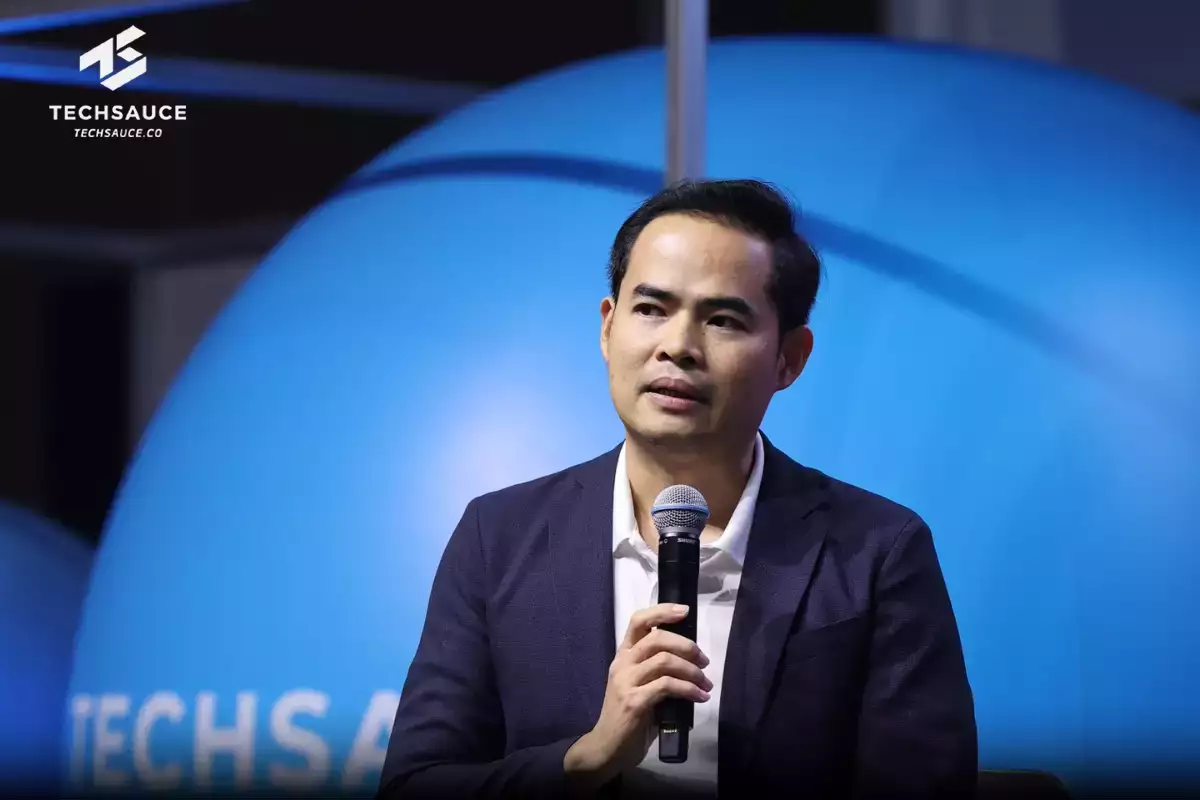 Huynh Cong Thang of InnoLab Asia explained that Vietnam is growing at a remarkable pace, not just as a manufacturing base, but as a hub for tech talent and over 4,000 startups. The core mission of InnoLab is to build a complete ecosystem by connecting the government, universities, large corporations, and mentor networks to provide comprehensive support for startups.
“If you want to come to Vietnam, the first thing you need to do is check your network. In the end, business is about people,” Thang emphasized. He highlighted Ho Chi Minh City and Da Nang, which are being developed into International Finance Centers, presenting a golden opportunity for FinTech companies to enter a regulatory sandbox with numerous benefits.
The Philippines: A Young Consumer Market and Exponential Growth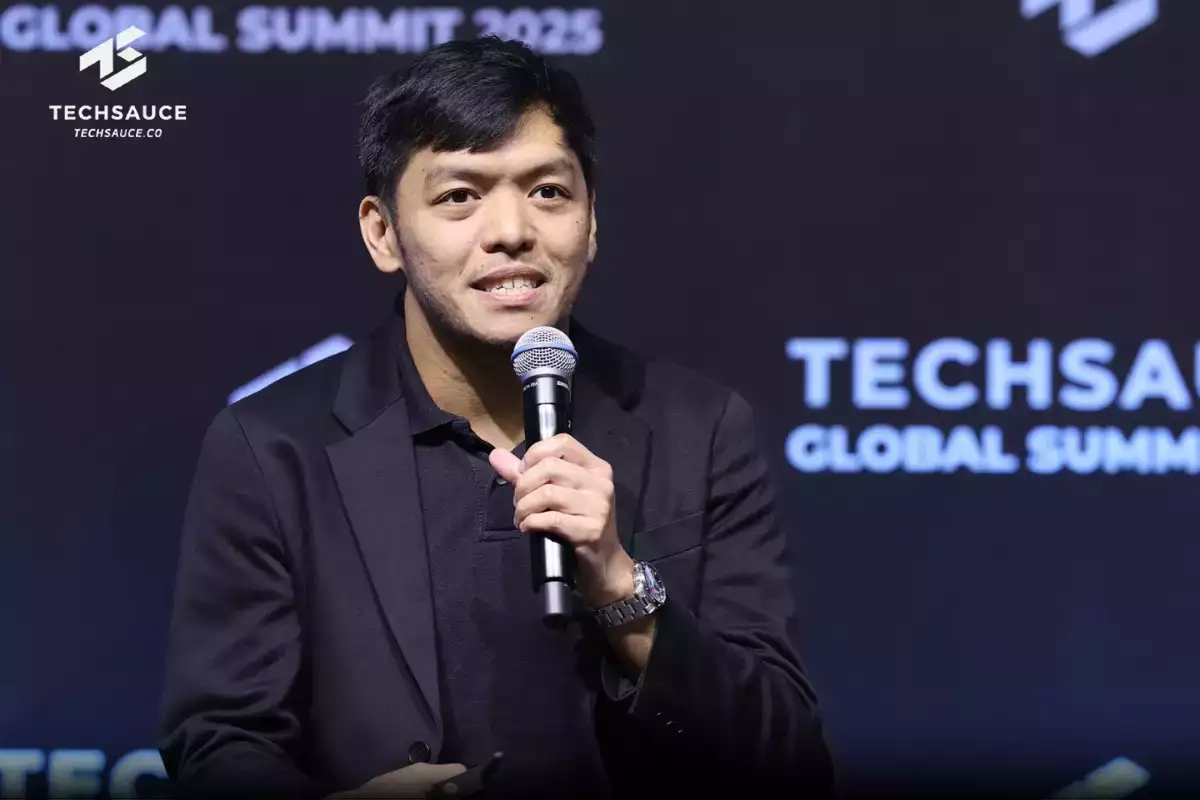 Paolo Rentero of TechShake shared an impressive statistic: the number of startups in the Philippines has grown from fewer than 100 in 2015 to 1,200 today, reflecting massive ecosystem growth. The country's key strengths are its large consumer base and young population. The advantage of English proficiency makes it an attractive “second market” for startups looking to expand.
“We have a shared 'mobile-first' perspective across the region, which is why Grab was able to expand so easily,” Rentero said. He added that the government is also playing a bigger role by providing grants to startups, a clear positive sign for the ecosystem.
Thailand: A Tech Ecosystem Enabler with End-to-End Solutions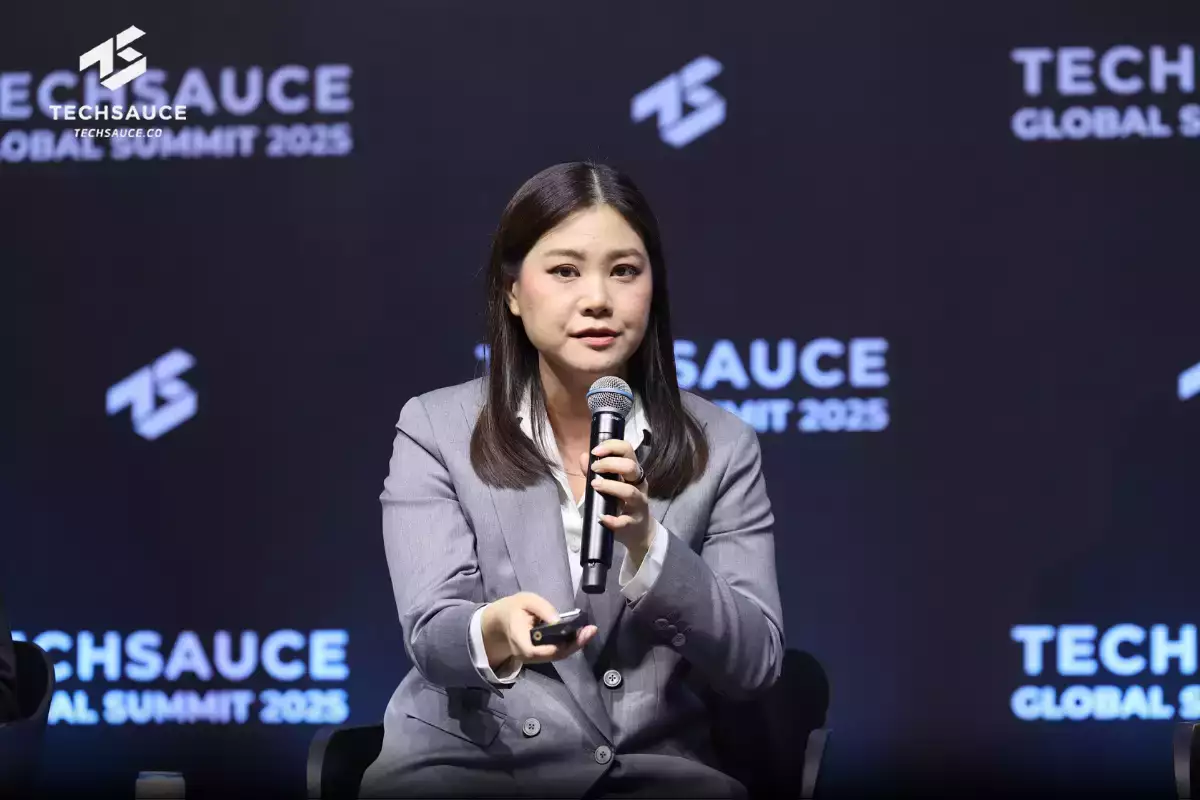 Oranuch “Mimee” Lertsuwankij of Techsauce reinforced the company's position as a “Tech Ecosystem Enabler.” It’s more than just an event organizer; it's a platform that connects all the players in the industry, from startups and tech talent to investors, large corporations, and policymakers. The main mission is to attract investment and help Thai players grow on a global scale.
“We have a wide range of services, from media and corporate innovation programs to our Launchpad service, which helps foreign companies establish a market presence in Thailand from end to end,” Mimee said. She noted that the Techsauce Global Summit is a meeting point that seamlessly connects investors and startups from around the world to opportunities in the region.
Indonesia: A Large Market and the Mission to Fill the ‘Missing Middle’

Mega Prawita of Kumpul described Indonesia as the largest country in the region, with a population of 280 million people—a huge opportunity that comes with the challenge of the “Missing Middle.” This is a gap that prevents MSMEs, which account for 97% of all businesses, from fully accessing digital technology and funding. “In Indonesia alone, over 48% of the population is unbankable. This is a massive opportunity, but also a major obstacle.” These challenges, combined with diverse regulations, bureaucracy, and politics in each country, make a “one-size-fits-all” business expansion strategy impossible.
“Our mission is to make entrepreneurship accessible to all Indonesians,” Prawita said. Kumpul acts as an ecosystem enabler, offering services from consulting and incubator/accelerator programs to creating a lasting impact to drive the country's digital economy forward.
Introducing ‘ATLAS’: A Unified Gateway to Southeast Asia
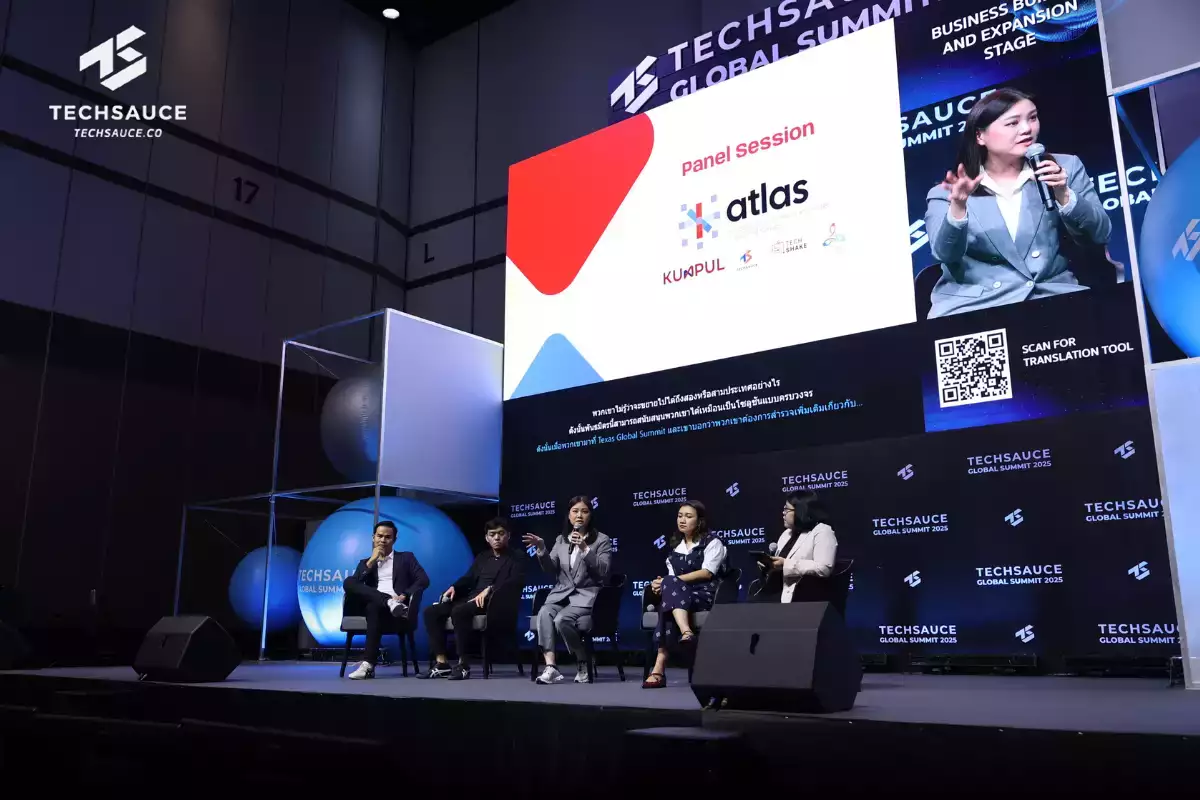
And then came the main highlight: Mega Prawita officially announced ATLAS, a formal partnership between the four organizations on the stage. Their shared vision is to create a “One Gateway System” for the entire Southeast Asian region.
“We want to ‘MAGA’—Make Asia Great Again!” Prawita quipped, referencing an earlier session. “And that's why the four of us have come together.”
ATLAS is a collaborative effort by four countries with a combined population of nearly 600 million, a total GDP exceeding $2 trillion, and over $33 billion in foreign direct investment (FDI). Its goals are to:
- Facilitate cross-border collaboration.
- Empower innovation and business growth in other countries.
- Create a White Paper to present an in-depth view of ASEAN to the global stage.
- Organize market access programs for companies that want to enter (inbound) and expand (outbound).
What Makes ATLAS Different?
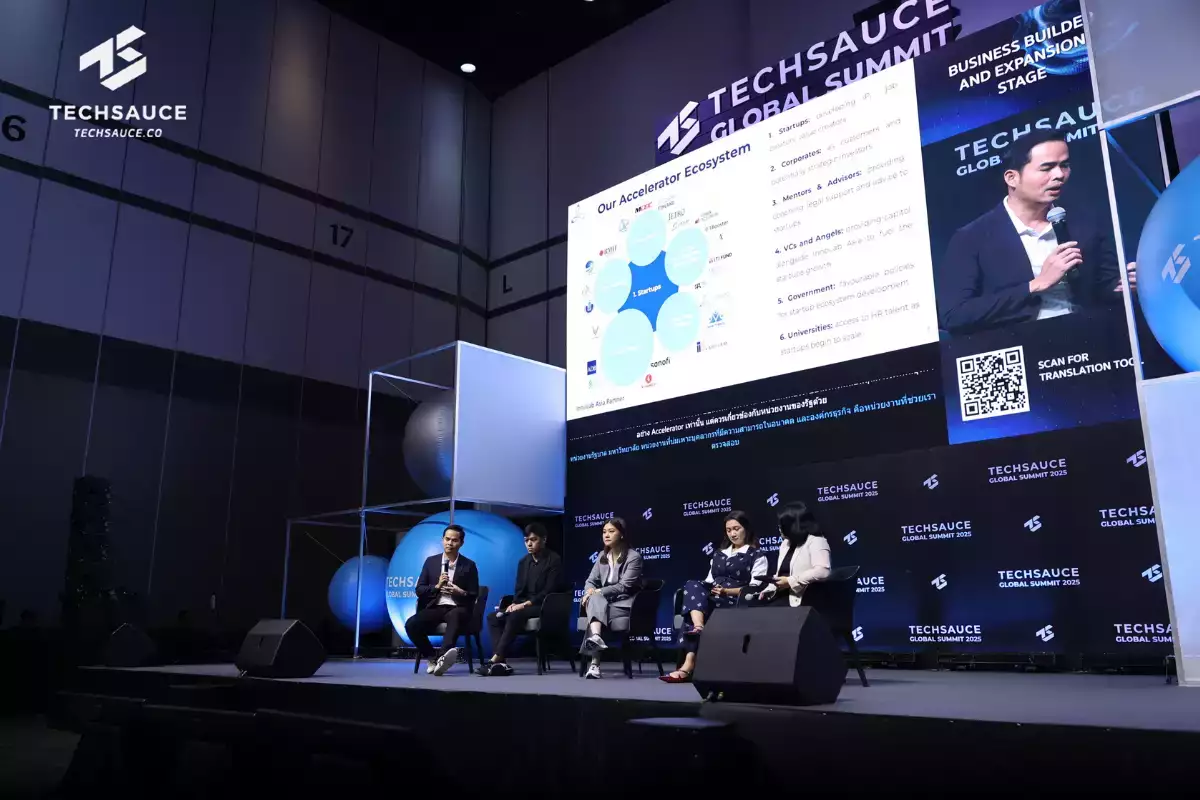 Huynh Cong Thang offered an insightful answer: “Execution is king.” ATLAS is not just a symbolic MOU. It’s an alliance that is actively putting in the work. They “co-create and co-design” solutions together, leveraging each other's strengths to fill gaps.
Paolo Rentero added that the key elements are “speed” and “ownership.” They want to see things happen without being constrained by any single country's framework. The goal is to present Southeast Asia as a “single package.”
Oranuch “Mimee” Lertsuwankij concluded by stating, “Our network is our net worth.” ATLAS is about transparently sharing the relationships each organization has built over decades, from government-to-government (G2G) to business-to-business (B2B), to create exponential benefits for all parties.
The 5-Year Vision and the Next Steps for ATLAS
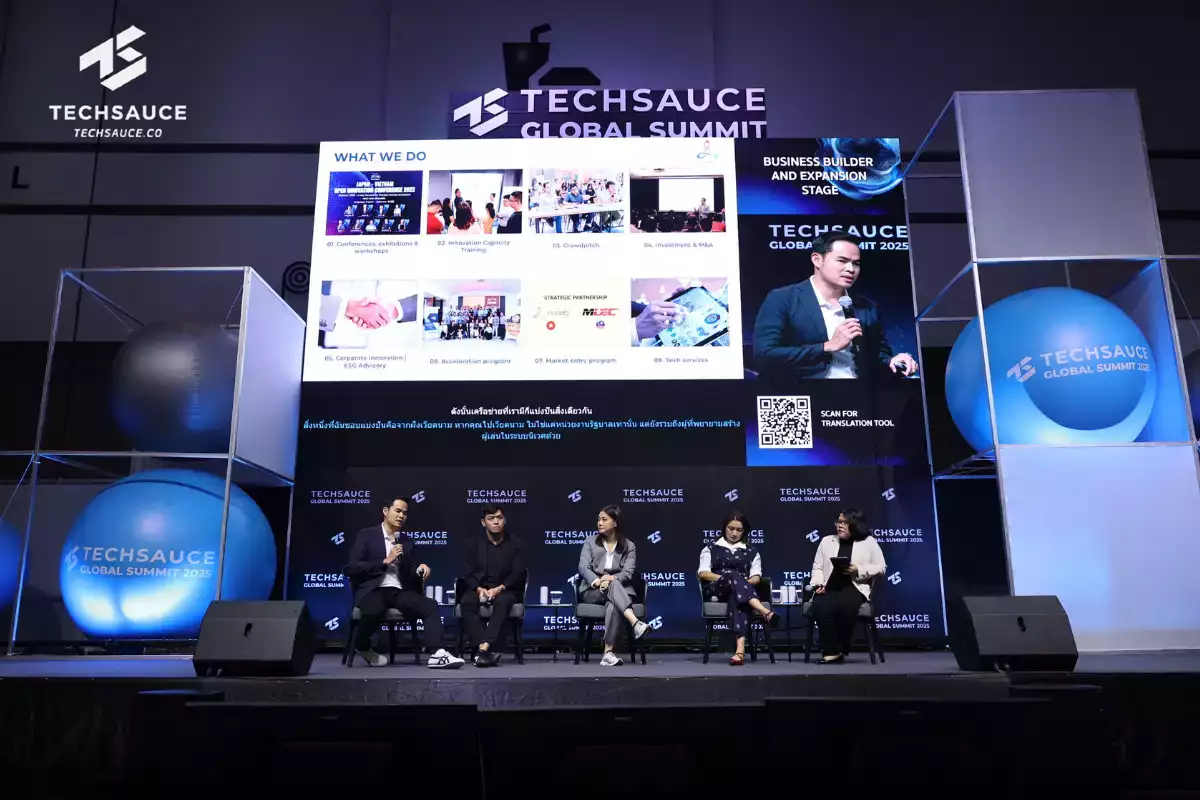
When asked about the future of ATLAS in five years, the panelists all agreed that ATLAS must be the first name that comes to mind for anyone looking to invest in or expand into Southeast Asia's technology and innovation sector.
For its next steps, ATLAS officially launched its website, atlasconnect.org, at the event. It's a platform for like-minded partners—investors, government agencies, and organizations—to join and grow together. ATLAS also announced and invited everyone to attend the upcoming summits in each country later this year: the Ignite Innovation Conference in the Philippines in October, Kumpul Connect for Change in Indonesia in October, and the Vietnam Innovation Summit in November.
This alliance of four powerful forces under the name ATLAS is a significant step toward unlocking the region's immense potential. It sends a clear signal to the world that Southeast Asia is ready to be the next frontier for opportunity and growth.
Based on the session: How to Scale Business to Southeast Asia at Techsauce Global Summit 2025
ลงทะเบียนเข้าสู่ระบบ เพื่ออ่านบทความฟรีไม่จำกัด

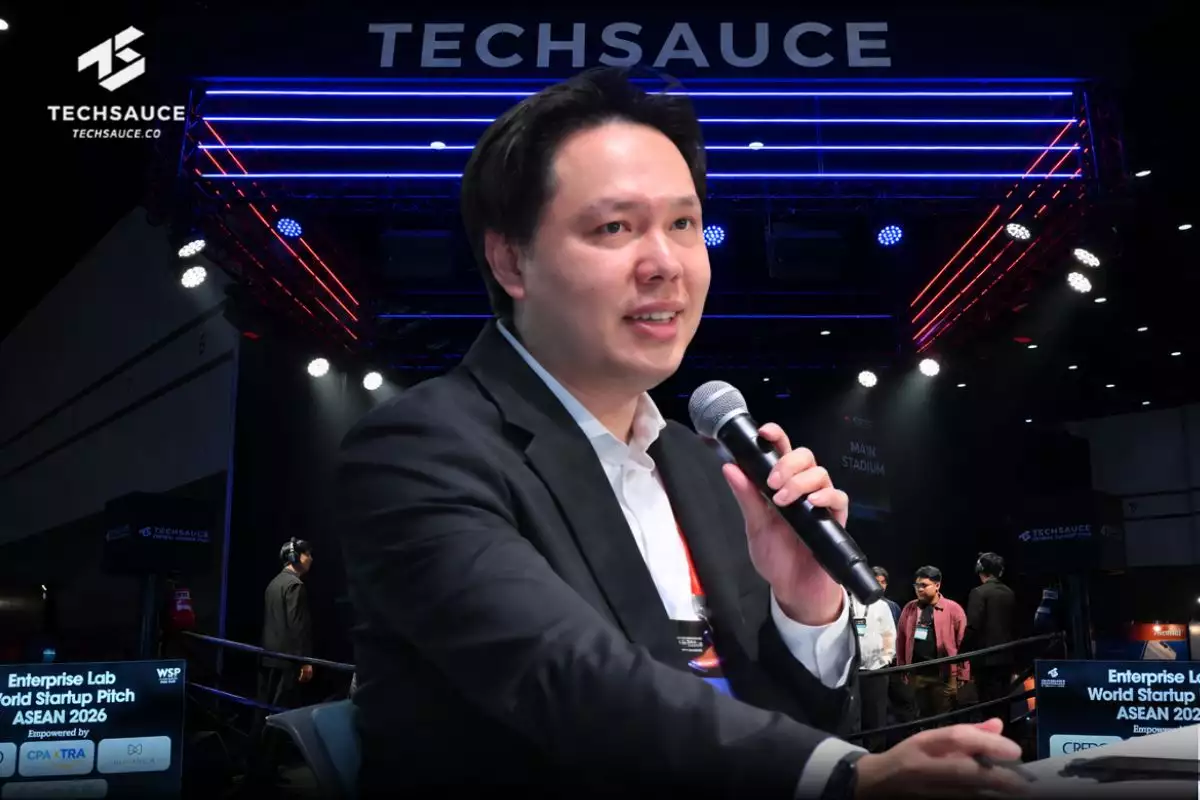
Following the Enterprise Lab World Student Pitch ASEAN Edition at Techsauce Global Summit 2026, Techsauce spoke with Tirayu Songvetkasem, Chief Digital Officer of CP AXTRA. As an E...
 0
0

When AI Chooses for Your Customer: Accenture Song on the New Rules of CX
Accenture Song's Tuomas Peltoniemi on how AI agents are taking over customer decisions, and the five lessons brands need before the buyer stops being human....
0

20 Years of Lessons from DeeMoney's CEO Technology Moves Information, but Trust Is What Moves Money
DeeMoney co-founder and CEO Aswin Phlaphongphanich unpacks the unspoken facts of global payments at Techsauce Global Summit 2026: there is no global transfer network, payment firms...
1